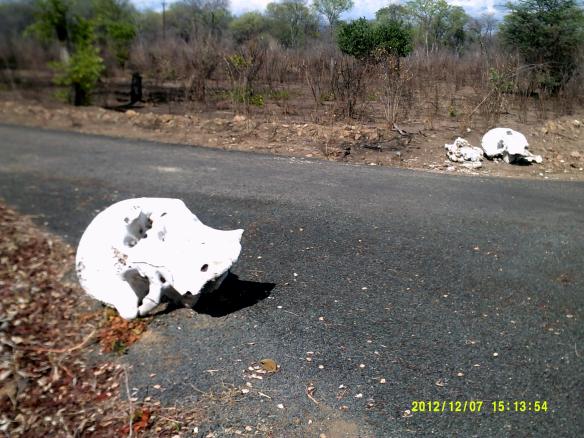
I was riding my bicycle through the African savannah as the sun hit the horizon when a thought hit me that made the road ahead feel a lot longer — my small headlamp wasn’t strong enough to spot elephants in time if they were standing on the road. Earlier that day I had already passed two elephant skulls and several piles of dung. Now the night was closing in fast.
Elephant skulls
Long-distance cycling in Africa always comes with a sense of adventure and the unexpected. While riding my bicycle from Mague to Estima in Mozambique, I experienced one of those nights that perfectly captures what bicycle touring across Africa can be like.
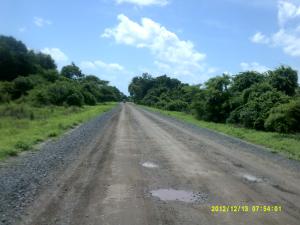
The road stretched out in front of me — a good tar road cutting through the wide African savannah. But I was starting to worry about where I would camp for the night.
This region had once been part of the Mozambican civil war, and I knew landmines had been planted in areas not far from the road. Camping randomly along the roadside didn’t feel like a good idea.
Cycling into the African Night
The sun slowly dipped below the horizon and soon disappeared completely. One by one the stars came out, leaving me riding through the savannah with only a small head headlamp lighting the way.
From past experience cycling in Africa, I knew that light wouldn’t give me enough time to identify elephants on the road ahead. At night, elephants often blend into the darkness. With a spotlight they simply look like part of the night itself.
That meant there was a real possibility of riding straight into a herd before realizing what was happening — something no cyclist wants to experience.
Finding a Village in Mozambique
Around 8 p.m., I finally came across a small tribal village and decided to stop and ask if I could camp there for the night.
As I stopped, I promptly fell off my bicycle when my cleat refused to disengage — not the most impressive entrance into the village.
An older man saw the whole thing. We tried to communicate, but neither of us understood the other. He called over a younger man who, fortunately for me, had spent time working in Zimbabwe and spoke some English.
I explained that I was cycling across Mozambique and asked if I could camp in the village.
The answer was respectful but not simple.
They told me they didn’t have permission to allow it. I would need to speak to the night watch — the man responsible for keeping elephants out of the farmland at night.
Asking the Village Elder
We found the night watch, and after listening to my story he explained that he also didn’t have the authority to allow it. Only the village elder could make that decision.
So we walked to the elder’s house.
He wasn’t there at the time and was visiting somewhere else in the village, so we waited outside. About fifteen minutes later he returned.
When he arrived, my translator bowed down, making sure his head stayed lower than the elder’s chin — a sign of respect still practiced in the village. Seeing that in today’s modern world was fascinating, and I wasn’t quite sure if I should be doing the same.
The elder listened carefully to my story about cycling across Africa and looking for a safe place to camp.
Then he smiled and immediately offered a place right beside his house.
Camping in an African Village
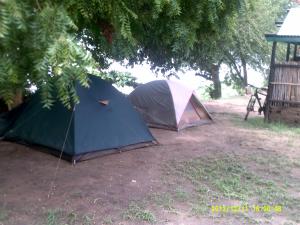
I thanked him and set up my tent near his home. The elder then asked through the translator if I needed food. I told him I had brought some with me, so I cooked a simple meal of instant noodles.
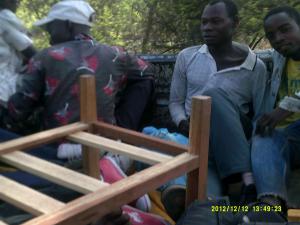
Later that evening I sat under the trees near his house where several elders of the village were gathered talking quietly in the dark. I didn’t understand their language, but it was still a special moment to sit there and share the night air with them.
Eventually I excused myself and crawled into my tent. Not knowing how safe my bicycle would be, I pulled it inside the tent with me — which made for a tight fit in a two-man tent.
Sunrise in the Village
Just before sunrise the roosters began crowing and the village slowly came alive with the sounds of morning.
I packed my gear back onto the bicycle and waited for my translator, who had said he would come by in the morning.
Soon the elder stepped out of his house. I asked the translator to thank him again for his hospitality. Once again, the young man bowed respectfully as he spoke.
Then I climbed onto my bicycle and rode out of the village as the sun rose like a glowing ball on the horizon.
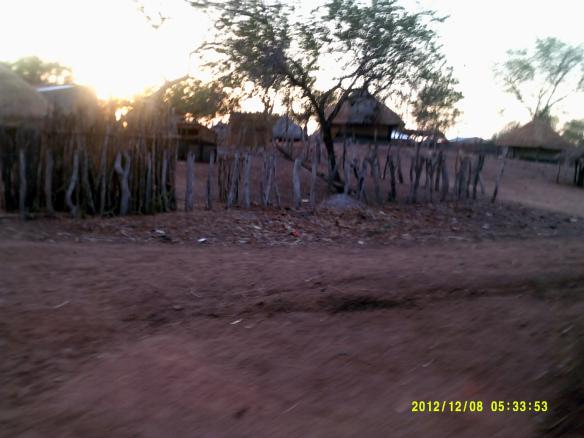
In the daylight I could finally see the village clearly — round mud houses with thatched roofs, dusty ground with chickens wandering everywhere, and the African savannah stretching beyond it.
And just like that, my Mozambique cycling adventure continued down the road toward Estima.
Over the past few months I’ve been thinking about how to grow the longdaysafaris.com community and share more of the things I’m passionate about. So I’ve made a few changes that I’d like to share with you.
First, I’ve launched a TikTok account as well as a TikTok Seller account on TikTok. The goal is to create short videos related to the things many of us enjoy—travel, cycling, farming life, and the occasional story from the road.
Alongside the videos, I’ve also started putting items up for sale through the platform. At the moment, I’m beginning with print-on-demand T-shirts, some of which are inspired by farming life and cycling culture. These are two passions of mine, and it seemed like a natural place to start. Here are two links to my first print on demanad T-shirts. At this stage they are only available on tikTok in the USA:
Over time I plan to expand into other items and ideas related to:
Farming and livestock life
Bicycle touring and long-distance cycling
Travel and safari experiences
Practical gear and products connected to these lifestyles
Another interesting development has been the impact on this blog. Since setting up the TikTok accounts, the traffic to LongDaySafaris has more than doubled. That tells me there is real interest out there, and it has motivated me to begin posting more regularly again.
But I’d like this site to grow with the help of the people who read it.
I’d love your feedback
What topics would you like me to write about?
Some ideas might include:
Bicycle touring routes and tips
Stories and experiences from African travel
Farming life and livestock production
Preparing for international travel
Advice for first-time visitors to Africa
If there’s something you’d like to know more about, feel free to leave a comment or send me a message. Your feedback will help guide future posts.
A New Perspective
Another change in my life is that I now live in the United States. That has given me a different perspective on travel and logistics, especially for people planning trips abroad. Because of this, I hope I can be even more helpful to international travelers planning trips to Africa—whether it’s understanding the realities of travel, preparing properly, or simply knowing what to expect.
LongDaySafaris started as a place to share experiences from the road. Going forward, I hope it becomes even more of a community for people interested in adventure, cycling, farming life, and travel.
Thanks for reading and for being part of the journey. Here are a few photos to wet your thirst.
I have enjoyed my time discovering Africa on my bicycle. However that chapter has come to an end in my life. I named my blog Long Day Safaris as the bicycle gave me long days to look and dream in Africa. Most people think of safaris as trips into wild Africa. This was true for many days on the bicycle. Like my first tour in Mozambique. The night I had to stop ridding and look for a village to pitch my tent. As I was afraid I might ride into a herd of elephant in the dark. I was also hoping my blog might spring board me into some sort of cycle touring business. I soon realized this was a very small group of crazy people that would take so much time out to have a great African adventure. Also that most crazy people on bicycles figure out their own adventure.
So I am open to help people with questions about places I have been or lived. I will help you with the knowledge I have gained.
Due to the safety of living on a farm in South Africa and the welfare of my family. I have had to make a tough decision to leave my beloved Africa. Africa is in my blood and the wild bush Pricks me with life. The fight for survival of the people and animals amaze me. The sunsets and sunrises are dreams in my mind. The quenching raindrops that hit the dry parched earth give off a smell of life and survival. Now do not let me get to home sick.
I have immigrated to the United States. Where I have a dream of riding the Great Divide some day. In the meantime I am waiting for my bicycle to come from Africa. I am setting up house and learning the ropes of the American way of farming.
As the title of this blog shows it is a whole new world. It feels like I have turned my clock back forty years. To when I was a child back in Africa. The children leave there bicycles on the lawn in front of the house. On the weekends people are pushing lawnmowers up and down. I have not seen a beggar or a person sleeping on the street. People drive slower and give right of way at intersections. People actually stop their cars for people at the pedestrian crossing. No taxis pushing their way around in the traffic. The pot holes in the road get repaired. There is no trash laying around. The electric supply company gives power 24 hours 365 days, in South Africa the electric company has gone to disrepair and cannot always supply electric. The list can go on for a long time. South Africa was not always in a state of decay as it is now.
Lake at Fairmont Minnesota
Now I will write of gravel ridding in Minnesota. I went down to the one and only bicycle shop in Fairmont. To see what spares they stock. Let me give you a warning. The owner Larry is full of jokes. It will take time for me to learn if he is serious or pulling my leg. I first read of his passion for bicycles on the internet. It will be a great loss to this town the day he decides to close his doors.
My first visit to the shop found it closed on a Saturday. Next visit was after work to find the tools outside where He sits and fixes bicycles. The shop was open and nobody to be found. It is like a museum in there. The bikes all hang from the ceiling. Then there is the stack of bike boxes. Next visit was on a Saturday. This time there was a hand written note on the door to say if you need help phone this number. As my bike is not here yet I decided it was not an emergency.
One day after work I drove past and saw some people sitting outside and talking. So I stopped but I was not ready for what was to happen next. Larry pulled my leg about everything. He then invited me and the other two ladies there to join him for a free supper which he was just going to pick up at the local church. Then off he went with the one lady and came back with some food. Then there was the offer of a cool drink. We landed up closing shop as the sun was setting around 7pm.
Lake just behind Larry’s shop
So the long and the short of it is. If you are ever stuck in Fairmont Minnesota phone the number on the door and Larry will help. Just remember to put the area code 507 in front of the number. He stocks mostly Trek bikes. He has some Ebikes. He let me try out a recombinant Ebike. That was a little fast and made me scarred with no crash bar in the front.
So I am looking forward to the new adventure. Might just have to let the cold winter pass before I do some touring.
I have read in a number of places that people are not finding the right method of hydration or energy supplements. I am no doctor or pro trainer. However I will give my personal feeling and experience. There are two experiences I have with this. One is cycle touring and the other is endurance racing. There is a huge difference in these two categories compared to short MTB and road races. On the short race you can almost make a magic mix of energy and re-hydration that will fit for all races you normally do. However the long road has a different set of challenges.
When touring or endurance racing you are often challenged with space to carry enough of all the magic powders to mix to keep you going. When they run out they are also not readily available along the track/road. Also the flavors of all these artificial powders stays on your tongue and after a few days it feels like you have been dragging your tongue along the ground for kilometres. This is why you have to look at a different stratagem.
I now have settled down to the following stratagem:
Carry some Re-hydrate sport packets for when the heat draws the water out your system faster than you can replenish the water. This can be life threatening. For this I have one 750 ml sport re-hydrate bottle mixed on hot days.
Have a plain water bottle to rinse mouth out and keep mouth moist.
Energy is always taken in by eating solids. That way you can balance your hydration and nutritional needs seperatlly.
Let me look at these individually.
Re-hydrate sport is light and compact and can be pushed into all the small gaps between all your other kit. These drinks can be tempting to drink to much when you are feeling thirsty. If I have drunk to much during the day my body naturally balances out this in the night when I sleep. If I wake up in a sweat and all my clothes are wet. This is the way the body gets rid of all the water it did not need. Then I know I should take it easy on the re-hydrate. This can help you also make the re-hydrate go a lot further resulting in you not having to carry as much with you. Dehydration can be very dangerous in hot climates so be prepared when planning your trip. There are also natural ways around over heating and loosing water from your system. These can be cooling down under a tree, wearing long sleeves to protect from the sun, taking a swim in every river you cross or splashing water over you (water can be in short supply) and cycling in the night. Some of these options are not on for endurance racing so may have to use re-hydrate or cycle at night.
Plain water bottle is the best and main hydration method to use. This can be filled at any time from backup water supply bladders or local water sources.
Digital Camera
Digital Camera
You do not have to wait till it is empty to make a mix so when you stop it can just be topped up. I like to have a bladder in a frame bag so can just take a sip when you want. In hot climates I fill this with ice blocks at any shop I can find.
If you can keep the water cool it helps to cool you down. Bottles in bottle cages are exposed to the heat off the road or environment can become like tea, making you more thirsty. However if it is hot the water in the pipe coming from the frame bag can get hot and make you feel more thirsty. There are insulated sport drink bottles that can be used to keep water cool.
Energy or nutrients as solids are wonderful. They can be timed to the need. For example on the long road you see a big mountain a head. Pull out a high energy bar or fruit before accent to give you a burst of energy to take it on. This takes practice to get used to when to use it. The body can tell you what is the right time and how long it takes to be released into the blood stream. These energy and nutrient solids have to be sourced along the road. This way you do not have to carry so much with you. If you are going to be touring in Africa or Europe it will be good to get an idea as to what the local supplies are. Then practice with them a little before the time. I like suckers or sweets that can melt in your mouth slowly releasing energy over a long time. Even a mouth full of plain water with them can turn it into a refreshing cool drink.
Safe water to dink is also a challenge to get hold of. You can filter water for piece of mind. Treat it with chlorine. UV treatment is also available or just buy some water. This is another discussion. Here are a few photos. Happy cycling just get out and find away to get out.
There are men that go out deep sea with dugouts that use meal bags for sails. They go so far out to sea to fish they become little specks out there. You can see them with binoculars. They fish with the big boats that are trolling. They have no life jackets, no safety equipment. Amazing they do not fall out when they stand up and cast nets or use fishing lines as the water swells up and down.
Digital Camera
Here I spend a lot of time with a wonderful couple from Zimbabwe. They went through the war of independence all the years through the economic crash. Now the new economy with US$ that they try not to put in the bank in case it gets taken by the government. They say us South Africans must stop South Africa from going the same way as Zimbabwe. South Africa is the only thing that keeps their country going so it is important that we get it right.
Chatting with this couple I learned a lot about surviving in Africa under tough times. For the safety of the couple I will not go into details. Topics such as economic survival, Health care, enjoying the environment, social networking, business methods and bribery. After it all they love Zimbabwe.
Fishing shoulder deep in water helps you to keep cool.
I did some fishing with him in the estuary. I tried spinners, drop shot and shrimps. The little fish like the shrimps however they are too small to get caught on the hook. He caught one small fish all week. I caught nothing all week. It was good therapy standing or sitting next to the water.
Low tide on river side of Lodge.
Sea was nice and warm and the waves gentile, not too big. Could float around and chat with those in the water. From time to time there would come a wave big enough to body surf to the beach. Could go out about forty meters and be up to your waist. There was a very weak side currents and backwash.
Digital Camera
There arrived early one evening a very British man that came from Zimbabwe who also did some chatting. He invited me to call him if I visit again. He would like to take me up to Kariba dam. He says he has had his nicest experiences there. Doing game viewing from boats and relaxing on the water.
I enjoyed watching him talk with the lodge manager. Every now and again there would sit a mangrove midget on his face. Then the manager would say one o’clock and he would hit his own face. Then three o’clock and he would hit himself on the face at three o’clock. Was very effective, he got most of them before they had a chance to suck to much blood. The directions flowed into the conversation without even a thought from ether party.
Digital Camera
Digital Camera
Digital Camera
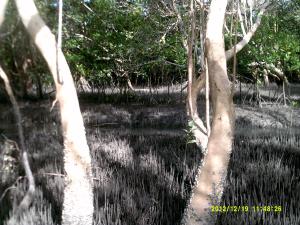
This is what the mangrove swamp looked like that surrounded the lodge.
Well all good things must come to an end. Early morning of 24 December 2012 woke up to a running stomach, popped some Imodium tablets. So I packed up camp with much pain. I was planning to ride my bicycle to airport. However did not feel good so took a lift with lodge manager and wife as they were going into Beira for supplies. I rode from the off ramp on the highway to the airport.
The security would not let me take my bicycle into airport. Even when I tried to explain it was going on the airplane. So had to lock it then find my check in and make arrangements to pack it. Then brought it into the airport, much to the horror of the security officials. Then got the baggage rappers to rap it for me. I had brought one small box with me and they got some cardboard pieces and wrapped it. This drew a small group of interested parties. They had a wonderful time working out how to get it wrapped. It took about forty minutes. I paid them three or four hundred meticals for the work. Then I had to go through my photos of my trip with some of them. They were very amazed that somebody could come by bicycle all the way from Harare. They did not understand too much but there was one that understood little English.
Digital Camera
Digital Camera
Digital Camera
No transport to airplane. Just walk out onto the runway and climb on the plan.
Flight was good the only problem was I got sick as my stomach had not come right. It was a nice short flight to Johannesburg. Flight itself was only one hour forty minutes. My parents met me at the airport.
Later that afternoon and early evening I was not feeling good. My family took me down to the hospital. After all the blood test showed up negative for any tropical diseases and a drip to rehydrate me. I was out again in three hours. It took about three days to stop the runs but felt good after the drip.
Ended off an adventure with my family at my house on the farm for Christmas. This trip was enough to get me hooked to do more tours. However time and occasion does not always allow it. Now the last chapter has been publishes I will need to make it into a ebook. Then will have to write my next adventure book of my trip to Malawi.
Beira is a big city with suburbs and factory zones. Thought I was there but it was the out skirts, to centre of town is about 10km. Then there is the madness of uncontrolled traffic circles. It is a little run down as most places in this country. No street signs making it a little difficult to find the Hotels suggested by the travel guide. After going up and down town and choosing the second hotel on the list, I booked in.
O, how nice it was to take a good shower to wash all the mud off. Put on some clean cloths which made me feel like a new person. Then it was wash time and hung out washing in the shower. Now I was ready to face this city.
Digital Camera
Took a walk down to the beach and found very brown looking sea water. Fishermen going through their nets and leaving all the small fish and shrimps on the beach. Then the hungry people going through the scraps to make themselves some food. What was left was left to rot on the beach. This left a nice fishy stink. It was very windy and the sea did not look very nice, so did not even put a toe in the sea. The little children were swimming in underpants and very small children with no clothes on. Adults were just watching the children swimming in the sea.
Digital Camera
So walked along the marine parade and looked for a nice eating place. There was a big traffic circle with Samora Michael statue and a nice restaurant on the outside of the circle. Went into find what it was like, to find it quite expensive. So decided to walk back on the marine parade back toward where my hotel was. Decided on eating at the restaurant come bar with the same name as my hotel Miramar. This was as the sun was setting. Looked like quite a popular spot. There was even a big screen TV playing cartoons. Food was good and the price reasonable. Sat there and enjoyed seen the night life of the city. Watching how the locals interact with the sound of the see in the background was quite relaxing.
Digital Camera
I walked back to the hotel which was only one block away. On the way there was a group of hoarse calling out to me. Telling me they can give me a good time. They were such a mix of different races that they looked quite scary.
Next morning woke up early to find it raining. Took a ride to Checkers a large grocery store that I was familiar with. Purchased food for breakfast and my trip to the holiday resort up the coast. I also drew some money from the ATM there. Back at hotel and eat breakfast and packed to move on. By this time the rain had stopped.
Digital Camera
Digital Camera
Digital Camera
Took the road parallel with the sea and headed north. Finding the old light house stopped to have a look. There were ruins of holiday buildings of a bye gone era. There was an old life savers look out and a ship wreck on the beach. It is such a pity this town could be up graded to a lovely holiday destination if the right marketing and revamps were done.
Digital Camera
Digital Camera
On I went north passing the international airport. So at lease I knew where to come back to fly home. Got back on the highway out of Beira. Then took the small turning off to Rio Savane. It was sign posted by an old sign advertising the resort. Lucky had seen the sign when I rode into Beira the day before.
This road headed out into the swamplands where there were a number of farms. Found a modern dairy with Friesland cattle, another crocodile farm. The swamp ploughed with drainage ditches so that they can get some grazing and crops planted.
Digital Camera
Digital Camera
After about 10km just when I was planning where can I stop to take a break to eat and drink and have a good rest. There came a man on a bicycle and said ‘’come on’’. This gave me some wind in my sail. It always helps to have a person to pace yourself with. He was coming back from town after delivering his load of charcoal. I thought he was going to burn out. This gave me a boost so we were moving along at about 20km/h. He could not really speak English so we had a very broken conversation. After another 10km there joined another man on a bicycle he too was on his way back from town. He also kept the pace good. So after another 10km I started to get the feeling that this trip is getting too long so thought to try the same tactic as the first chap did to me. I said’’ come’’ and changed gear to higher gear and stood up. Picking the speed up to 25km/h. The first man dropped out but that was really because it was his village that we went through. The second man first dropped back 20m then came next to me and on we went. Just before the end of the road there was a village which he turned into. Boy was I worn out. I was so glad he turned off because I do not think I could have kept that pace any longer. Only then did I realize that these men on their bicycles are fitter than most cyclists because they ride to town a few times a week with a big load of charcoal. Using a one gear bicycle with thick wheels and carrying no water to drink in very high temperatures.
Ria Savana
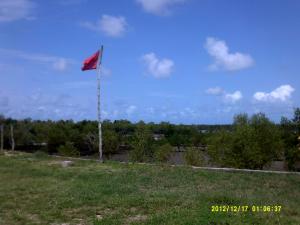
At the end of this dirt road I found a car park with a security guard and boom gate. Here the security guard raised a red flag. The lodge across the river then sends a boat to come and pick you up. After about fifteen minutes there came a small fishing boat chugging along.
Digital Camera
Digital Camera
Digital Camera
Digital Camera
They picked up my bicycle and luggage and wadded out to the boat. Water was up to the knees.
Digital Camera
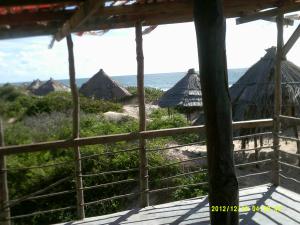
Landed at the lodge build on a sand dune at the mouth of the river. There was a Portuguese lady which could not understand me. She then called the lodge manager, couple which were Zimbabwean. The lady asked them to show me a tent site then they would do the paper work later. This turned out three days later.
Digital Camera
Digital Camera
Digital Camera
Digital Camera
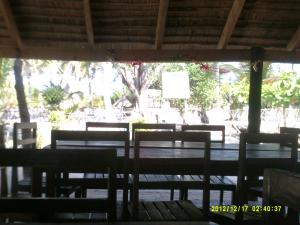
Turns out this lodge is owned by a big overseas company. They had Indians running it and it ran down into a bad state. Then they placed this couple with a two year contract to pick it up. Some other guests said it is starting to come to its past glory. The baracas and tent sites are swept clean on a daily basis. Each site is picketed off with sticks so nobody will walk over your area. There are palm trees growing all over the lodge area. If you get up early you can pick up coca nuts that fell off the trees in the night and eat them. There are communal ablutions that are clean and airy. Good restaurant, plates are big and full. So you can take away the hunger from swimming all day and walking on the beach. There are also beach volley ball nets if you come in a group.
Digital Camera
Digital Camera
Digital Camera
I spent six days here. Only thing to worry about is when to eat and when to swim. Not many people there during the week. On weekend people drive up from Beira and picnic on the beach. They leave all their beer bottles and papers on the beach. Then the lodge manager sends down the workers to clean up all the time.
Well let me leave some of the stories from the lodge for next post.
After having an early English breakfast and settling my bill I struck out on a risky adventure. I took the 4X4 road on the east of Gongorosa National park. Where one person said there might be a lodge to sleep at. Another website on my cell said there was a place to stay. To start the road was not bad but had sandy middle man. When a car came I had to pull off and stop.
Digital Camera
Digital Camera
Digital Camera
Digital Camera
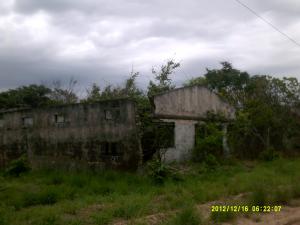
Only saw my first vehicle after 40km of sand. Passed Inhamitanga did not see any lodge. Passed Inaminga saw a sign for a safari company but seemed to point at some huts. This used to be the main railway sidings for the Sugar cane plantations when the Portuguese were here. Station and some buildings are just a shot down ruin. Apparently there was one of the big battles that took place here as it was a strategic place in the civil war. There is a town laid out with nice wide streets and run down houses. Some been used and others ruins. There were some government buildings.
Digital Camera
Digital Camera
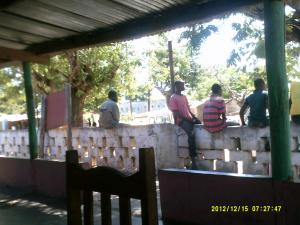
It was a Sunday morning when I passed through here. Town was like a big street gathering. People sitting on the walls in front of shops talking and shouting comments at people. Stopped at a tavern to see if they had cold water. Some chap took a chance with the communication problems and made sure he had a Coca Cola on my account. Water was low and it was very hot. So bought a Coca Cola and sat on the veranda and watched the antics people were getting up to. After finishing my drink I rode down the street looking in shops to see if I could get a good meal as it was about 10:30 am and knew there were no big towns for a long way. On the edge of town I found a nice take away/ sit down eating place. Ordered a half chicken and chips. Here met a trader that could speak English. We had a long chat about Mozambique and business and the road ahead. He offered me a lift. He was first going to have to do business in town and would leave much later. I said that I will start down the road and if he finds me on the road I would like to accept the offer. However I must have travelled much faster than him so did not see him again.
Digital Camera
Digital Camera
Digital Camera
Digital Camera
Digital Camera
Digital Camera
Temperature rose to the hottest day for the trip. It went to 45 degrees Celsius on my cycle computer. The water in my bottle was as hot as tea. Had to stop under trees every few kilometres to cool down, as I could feel heat exertion setting in. The road was also very badly corrugated. Every now and again I would find bolts and washers that had been shaken loose off of vehicles. Do not know what was worse the corrugation or the deep sand that I was doing earlier. Earlier in day the sand was so bad that I had to push my bicycle.
At about four in the afternoon I arrived at Maunza. This was a small town and knowing there was not towns for a long way I started to look for sleeping accommodation at the first place I came to. It happened to be an overnight place. Very new with tiled floors and beds without mosquito nets over the bed.
Digital Camera
Digital Camera
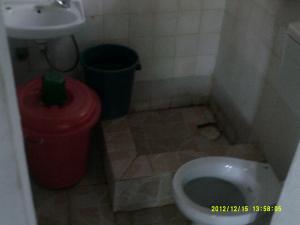
The person that tiled had not had proper training as you could see how things do not line up right. Well at least it looked clean. I was the only person in that wing of rooms. On another wing there were men that worked for the railway company. It seemed to be a school. The host must have been a teacher. He could only speak Portuguese.
I placed an order for supper but could not understand what was on the verbal menu. So said Sadsa and half chicken. He said no chicken. Then he changed his mind and said ok. Later I worked out why.
The host then invited me over to sit under a tree in front of the school to talk with the men. However they could not understand too much, just Harare and bicycle. Then there was the echo of Harare going down the streets. Little later there came a Zimbabwean that spoke English. He then told my story to a few people sitting near. It turns out he works for a white Zimbabwean farmer that got kicked off his farm. So he employs people like him and sends them away to get training in conservation agriculture. Then he places them in small villages all the way from Kenya to Mozambique to train the locals. He then supplies seed and purchases the harvest back from them. The people he employs advise the rural farmers. I am sure they do not know the true value of their harvest, as they do not have market information out in this remote area. It is also difficult to transport produce out to cities. Cost of transport also prohibits marketing in the cities. I then told him how we farm at home. Even had a few pictures and videos of no till planters, sprayers and harvesters on my cell phone. He wished he could come and get some experience with this large scale farming.
I asked him how do these people make a living in the area. He said the men refuse to work. They have lots of wives and children. Then the women toil on the fields to feed the family. He says a thirty five year old man like him would normally have about five wives and twenty children. This way he does not have to do anything and when he gets old his children will have to look after him.
While sitting under this tree with the men. A woman came down the road with a child. She was disciplining the child which was crying. It struck me as I was sitting under this tree that it was a safe area. I realized then that the family structures were in place. She was teaching what is right and wrong. That is why I felt safe here. Where as in South Africa the family structure was damaged and the migrant labour had caused broken families, resulting in gangsters and criminal activity. We do not always realize the value of family structure to maintain a safe happy community.
For protein there are a few men that drive trucks to Cohora Basa and purchase fish and bring them back to sell in the village. The other trade is poaching in Gongorosa nature reserve. When I was sitting there he pointed out a Toyota land cruiser pick up. He said these were game guards from the nature reserve that are involved in anti-poaching. However some of them are involved in the poaching to, if I understand correctly. There are no cattle in this village as the insects kill them off.
It took until eight thirty at night to prepare supper for me. I can only think why it took so long. I think they had to barter for the only chicken running around town, then catch it, kill it and then cook it. By the time I got the chicken it had a lovely taste and was in a stainless steel oven tray with a little sauce. However I had to put my foot on it to hold it down when trying to rip a piece of flesh off. Not that there was much flesh on those bones. Must repeat again it was tasty. All the while the host sat across the table from me and watched me eat. When I was finished he signalled to the cook to bring him his food. He had the other half of the chicken. He seemed to enjoy it. Did not look half as tough as when I was trying to eat. I had to stay to see if he managed to rip the flesh off those bones.
It was a hot steamy night with very little air movement. Did not sleep to well as I could hear the mosquitoes flying around. All I could think of was getting malaria. The host had armed me with a tin of doom (insect killer). Had to give a spray every now and again when I heard the mosquito air force was getting heavy.
Crossing town at sunrise I saw there was a lot of government buildings as this was the provincial capital. There were also lots of old ruins from the Portuguese time and the war.
Digital Camera
I also gave that Indian a message that I would be passing Dondo just after lunch. He wrote back that the colleague of his had died and was busy with arraigning to send his body back to India. In his words “he was no more’’. So he would not be able to see me. First five or so kilometre was hard sand and made good time. Then stopped for muesli cereal along the road at about eight in the morning. Did this to try to cover as much distance before the heat of the day. This section of the road was through a bit of a tropical jungle.
Digital Camera
Digital Camera
There were quite a few logging trucks on this road. There was also a truck hauling cotton out driven by Chines men. The road became deep sand and made for some hard ridding.
Digital Camera
Digital Camera
Before midday the rain came in made the sand a little harder. The rain cooled things off nice and gave me an extra boost. This was 36 km from the tar at Dondo. The rain got heavier and heavier. Then passed a village where I could see a vehicle coming from the back. It took some kilometres to get to me. When it over took me it was a pick up full of people on the back. They all laughed at me. Not far down the road I over took it, then there was some comments. Few kilometres down the road it over took again, this time they shouted what sounded like motivation. All the time the rain was coming down and rivers of water were coming down the road. I rode in the shallow rivers so as to get the compacted sand under my wheels. Not far down the road I overtook them again this time they were calling me a machine. Then they over took me again where on they passed comments of respect. All of this racing I was doing with the pickup was to help me to keep up a good pace. Otherwise the rain and road conditions would have started to wear me down. Finally after about ten kilometre of this I could not ride anymore as the wheels were sinking into the mud deeper than the rims on the wheels. The road had become a river bed. My bicycle chain had so much mud on it, you could just feel it grinding. At this point I was twelve kilometre from the tar at Dondo.
Digital Camera
I had to get off and push through the deep waters and bad mud patches. The rain had stopped leaving me with a real mushy road. I could tell it was getting less rural by the amount of vehicles starting to move up and down the road. I was getting closer to the tar at Dondo.
At the T junction at the tar road there is a taxi rank with a small market. There were a few eating places. I picked a place where two people were sitting eating. I just pointed and said want that. They were eating Sadsa and fish. It was about two in the afternoon and the hard work of the day and the wet rain had made me very hungry. It was so nice to get some warm food down in the stomach. The two men invited me to join them. They could speak a little English. We had a good chat and they bought some water for me.
Before leaving the taxi rank I tried to wipe off the mud from the chain and put some lube on. Chain and bottom bracket were making funny noises from the rain and mud. Now it was tar road down to Beira. In some places there was a wide shoulder on the road and riding went fast. This was so easy compared to what I was ridding before Dondo. However there was some sand tipper trucks that did not give way for me and I had to jump off the edge of road whenever they came past.
Hotel in Beira was a welcome relief to take a shower. Tried to take a photo to show how I was mud from top to bottom. However you would have to zoom in but the camera does not have enough pixels.
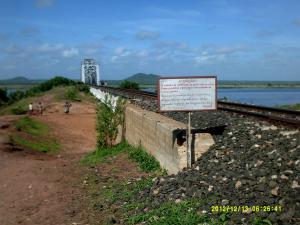
Next morning rode up and down the main street, which was a sand road to find road crossing over the Zambezi river. Only to find the longest bridge which is 3.7 km is only a railway line bridge which has a walkway on the one side. Then to find the entrance had to ride around a little. Again fell off bicycle because cleat could not click out fast enough. By this time the cleats were very tight from all the sand and dust stuck in them. By the time I finished this trip the cleats were well worn in and started to click in and out easier.
Digital Camera
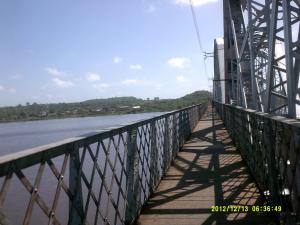
I walked down the railway line to the bridge where there was a flight of stairs to climb. The walkway was very busy. People with bowls of mangoes on their heads. Motor bikes and bicycles all went up and down the stairs. Then there were the holes in the walkway floor. This is where the concrete slabs have broken. Then there was just a piece of steel off cut thrown over the gap. To prevent the bicycles or motor bikes falling in the gap. Even people would have to watch their step. I tried to ride across however there were some places I did not trust myself. I pushed my bicycle across some sections where there was not much walkway to pass over. People were friendly and willing to give way to anybody who was in more of a hurry than they were. No matter in which direction they were traveling.
Digital Camera
Digital Camera
Digital Camera
Digital Camera
At Sena on the other side of the Zambesi River I dismounted the walkway in the middle of a busy town market. There were a few surprised comments passed at this white man that appeared with his bicycle. I just followed the flow of people through the market to the main road. The road from the market was washed away in the middle with a big donga (gulley) so that it was almost impossible to use a car down it. That did not stop the shops from functioning along the road. Road to Cia was wide, sandy and very flat so had to peddle all the way. There was no chance for freewheeling, to take a rest.
Digital Camera
Found people riding bicycles up to 10 Km out of Sena to get to their lands, to work them with hoes. There was a man lifting a woman to a land with a bicycle. Another man with a stick with four chickens tied by their legs upside down, strung across his handle bars. There were others with fresh produce and goats on their bicycle carriers. They were on their way to Sena for exchange or sale. Actually if there was an irrigation scheme this would make a lovely sugarcane area.
Halfway to Cia tried to buy cold water at a road side tavern. No luck, settled for cold Coca Cola. Sat down at a table and waiter helped me. When local children came to look at my bicycle they showed them away. Interesting at this place there was an agricultural high Tec farming project on the go. There even seemed to be some kind of farmers association or co-operative. Looked like it was motivated by some outsiders. There were some tractors and implements around this village. It is very rare to see tractors in this country. Anyway filled water bottle with Coca Cola and was on my way again after cooling off at the tavern.
On the outskirts of Cia I stopped to buy cold water. Without any luck. Had to settle for Mozambique fizzy drink. Sat under the shelter at the shop and drank. It was very hot and nice to get out of the sun and sit on a square seat. Store keepers husband tried to talk with me but found it very difficult as they did not understand English/Afrikaans or broken Zulu. That is as far as my communication skills go. Interesting to note that their home language has some words that are similar to Zulu so here and there was a word that we understood.
At Cia there was a type of one stop garage/filling station with a Standard bank ATM. Here I stopped and drew cash with my bank card to make sure I could pay for upcoming accommodation. Had not eaten yet as food was running low and my Metical was at the end. By this time it was about two in the afternoon. At the one stop there was not much to eat. Was mostly soaps, tooth paste and creams. Suppose lots of people passing there are traveling far. As this is on one of the main routes going north. In the end bought a Pallone roll which I bit a small hole and squeezed it out as I rode. Now the road was tar and not very hilly. Pushed on as Lonely planet guide said there was a nice Lodge 30 km south out of town. Road rolled nice and fast especially with some food in the stomach. Here there are some nice forests. There are logging concessions in this part of the forests.
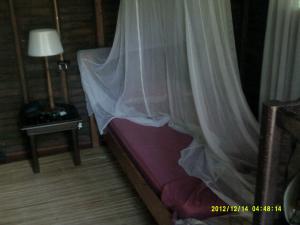
I arrived late afternoon at Mphingwe Lodge. What a gem in this third world place. Little wooden huts with made up beds and towels rolled up on your bed. Bedside lamps mats and mosquito nets. Everything was polished and shinning. Shared ablutions with wood carvings and floors polished after almost every person that used them. There was a restaurant with cold water and cold drinks.
Digital Camera
Digital Camera
Digital Camera
Digital Camera
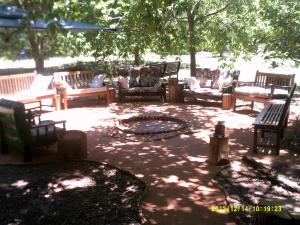
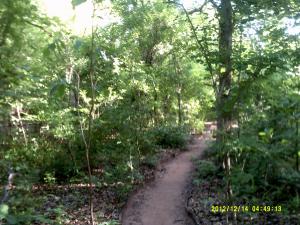
There were chairs around a fire place where travellers can sit under the stars and tell each other of their adventures or work in this rough country. I found it an oasis in the wilderness. Last nice place like this for me was Ugezi tiger lodge three days before. Here I asked somebody to do my washing. So I stayed two nights giving him chance to dry it. It was more to enjoy the rest in cheap luxury (Only 600 metical). They have walking trails in the forest. People say bird watching is good. Even with binoculars the birds were to elusive to see, hiding behind branches or flying off. This is because of all the poverty and wars. The people have been hunting birds and animals with catapults and dogs, just to get food. Watch not to lose your way on the trails as you could be walking in circles for days.
Digital Camera
Digital Camera
Digital Camera
Digital Camera
When at this lodge I met an Indian that had spent six years on contract repairing the railway line. The same line I had been traveling alongside all the way from Tete. He had some men with him from India who were coming to quote on a new contract. The one man had fallen sick so they had stopped for the night. I heard him calling out for water in the night. Sounded like the man had got worse during the night. So the next day they took him to the hospital. Anyway the night before as we were sitting under the stars he offered for me to eat at his house and to spend the night, when I pass Dondo. He said some years back he hosted a tour cyclist in his camp on the railway line.
I also met a South African couple that have been doing mission work in northern Mozambique for the past twelve years. They had some interesting comments to make. In that remote area there is no TV or radio so they get no negative exposure. This makes the people very positive and enjoy a happy life. The worst thing that can happen is the roof leaks or the rain does not come in time to plant.
They spoke of some good meaning people that thought women spend too much time collecting water. So they put in pumps and pumped water up to the village. Hoping to free up time for the women to educate themselves. This resulted in the fabric of the village falling apart. Some villages became none existent after a time. Whereas the older women used to talk with the younger women at the water source and help them with different problems. There would also be listening ears to talk to when they felt the need. There developed a social order in the village when there was the interaction at the water source. Makes you think about civilization. Actually we are replacing a social system that was very successful and self-sustaining. Whereas the capitalist system has only existed for a relatively short time. The capitalist system has resulting in cannibalism of the poor for the enriching of the rich. In the end there has to be laws to prevent the exploitation of the poor or unexpecting person. This couple also said they have come to enjoy the slower pace of life and the simple things. When they go back to South Africa they do not enjoy it. All the crime and running up and down style of life.
Tete was 120km away. She took me to Standard bank to draw money. All lodge staff in combe waited for me at the bank. They helped me to find the camp site in the lonely planet guide. This place was bad. Knocked down buildings. Fence around had so many holes in it the local kids just walk through the camp site to fish in the Zambezi River. Then there were the cell phone contractors that were erecting cell towers in the area. They had been basically living there for a few months. The showers did not have water except for a short time when I first arrived. Then there was no water. Ablution block had wooden pallets under the showers no doors, shade cloth around ablution block up to neck height. Thank goodness the rain stopped. The sand had splashed up on everything. Was afraid to leave my things to go do shopping for food. Eventually packed most important things in my backpack and rode out down the dirt road to the main tar road.
Digital Camera
I purchased some eggs and bread. This was a bit of a balancing act to ride with the eggs. Got the man at the shop to break tray on half and put one half on top and tie it with string so that they did not jump out when ridding. All this communication was done with hand gestures and English words that he did not understand. The bread man gave me a plastic bag with handles so that I could hook it on to pannion at back. Well it is a very dirty little town. With hundreds of people walking up and down. All looking hard at this white man on a bicycle. Not something they see very often.
Digital Camera
Back at camp site boiled all the eggs in my cooker. However they landed up been a bit soft. Eat some of them with bread for supper. The rest put into cooker hoping to cook them some more the next day. However set out early next morning. So in the end did not eat the eggs. By the time I opened the cooker next it was well rotten and scrambled from all the heat and rough roads. My bags smelled like a stink bomb had been let off inside them.
Digital Camera
Route for that day was the main road to Malawi out of Tete. There were plenty of hills that went up in steps. A few hills outside of Moatize and there I found as a police road block at which they just waved me through. However just 100m down the road there was a lot of tanker trucks. One pulled out in front of me. I landed up been hemmed in. There was a cyclist on my right, truck in front and cement rainwater ditch on the left. The truck was going to slow and could not get my feet out of cleats in time. So I fell in the cement ditch. This made a hole in left knee. All the people around were very concerned for me. Truck driver in the truck up front did not even know what had happened. Halfway up the next hill I found a nice rock to sit on and take all the dirt out of the wound and disinfect it. A man on a motor bike stopped to see if I was ok. He must have seen what had happened. Wound was not as bad as the wound I got in Harare.
Digital Camera
Some way further down the road I came across an accident between two trucks that needed a crane to take the one off the other. This road is dangerous as the trucks come flying past each other in opposite directions. The road is so narrow that they almost hit each other’s mirrors in passing. For safety I rode on the oncoming traffic side of the road, so as to see what was coming. When a vehicle came I just cross over to other side. If vehicles coming from both directions then pulled right off road and wait for them to pass.
70km out of Tete I took a dirt road to Maturara. This was the sign post at the village I turned right at.
Digital Camera
This was off the beaten track. Here I could see how the trees had been cleared so that there was nothing left but burned grass. Here and there was a log along the road that had fallen off a truck. It is frightening how they have destroyed the forests. Most of the timber was sold to China. You often come across Chinese people that are making lots of money out of Africa. It is sad to see how the rest of the world gets rich from Africa and the local’s battle to survive. I was listening on the news the other day about this. The world gives large sums of financial aid to the suffering in Africa. However the exports by foreign companies are far more than the aid given to Africa. Makes you think. Africa could look after it self if they were clever enough. Or should I say there was less corruption in Africa.
Digital Camera
Digital Camera
Digital Camera
Digital Camera
Digital Camera
Anyway I passed village after village.
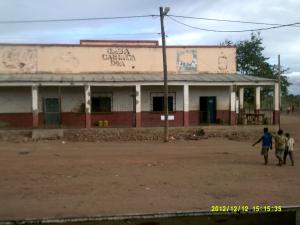
Passed a town called Necungas, which was just as the white Portuguese settlers had left it. Main street had a clinic (in use today), police station (in use) and houses with roves on just standing empty. Railway station not in use and old cattle handling facilities to load cattle on train. Tennis court with wire fence rusted to the ground. With the old club house having Resturante written on it. Resturante had curtains in the windows but very dirty looking and the roof looked like it was beginning to fall in. Around this ghost town was mud huts were the people live and have a subsistent life style.
After riding 120km for the day I knew that I would have to get a lift or would not have a safe place to sleep the night. I decided that camping wild was not a good idea because of the danger of landmines. So around one pm the only vehicle that I met traveling in the same direction as I was going came. It was a five ton truck that I waved down and asked for a ride. Negotiated a three hundred Metical price. I knew it was ok as to Maurara was another 180 km. I was to pay when they got me there.
Digital Camera
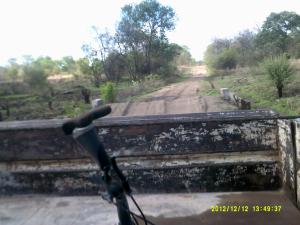
I climbed on the back with all the locals getting a ride. Well it was a hard ride bouncing around in the back. I was trying to hang on to my bicycle so that it did not get smashed to pieces every time it hit a bump, which was about every ten meters. Then I sat on my sleeping bag rolled up to cousion the shocks up the spin. We passed through lots of villages where he stopped to drop off people and pick up people at most villages. If you look at the picture you will see people sleeping on this bone rattling truck. They must have been very tiered. As we were all bouncing up and down all the way.
Digital Camera
Digital Camera
This is a very rural part of the country where there is not many roads. All the way we travelled next to a railway line that had been renovated after the civil war. Here and there was railway carages that had been derailed from bombs that had blown up the railway lines. The bent railway lines were just lying there. Could open up a scrap yard with all the heavy steel. At one river crossing there was a military bunker that was dug into the river bank to protect the bridge during the war. Now it all stands deserted.
By sunset there came in a fine rain. Now there were only two passengers left on the truck, so they said we could climb in the front. Very friendly people. They just cannot speak English. Eventually the road got so slippery that we slid off the road from time to time and had to back up and get on the road again. Once we slid into a tree. All the culverts under the road were under construction or getting repaired so there were small detours round them through the river beds. One place we nearly did not make it out as the mud was starting to get bad.
Digital Camera
Digital Camera
Digital Camera
Digital Camera
Digital Camera
Digital Camera
Muturara
We arrived at Muturara after eight at night. They stopped outside a poorly lit place. There was a lot of talking and looking for people. Later I found out they were looking for a sleeping establishment for me. Then they drove off and stopped at a place and spoke to a person. They said I must get out here, I can sleep here. This was an overnight sleeping place. Again got a bucket of water and bed to sleep in. This cost 650 Metical which was the most I had paid for a place to sleep on this trip so far. Sat on the veranda/resturante of the establishment and ordered a half chicken and sadsa for supper. To round dinner off I sat looking out on the night with all the night sounds of a small African town. The host sat all the while next to me but did not say much as she could only speak Portuguese.
From Maturara to Beria there are no windows in the houses. It is just too hot and the rain does not normally drive hard. The window openings have mosquito net and sometimes burglar bars. Just a different concept to the glass windows we are used to.

































 Long day safaris