The Bicycle I Would Build for the Long Ride

I visited a Specialized bicycle shop this week, and it got me thinking about bicycles.

Not just about the bicycles hanging on the racks, but about what I actually want from a bicycle.

I also stopped at a large outdoor and sporting goods retailer. The contrast between the two stores was interesting.

The large retail store had plenty of bicycles, but they were mostly mass-produced machines aimed at the general consumer. Looking at some of them, I wondered how well some of the components, particularly the bearings, would hold up to the sort of riding I like to do.

The cycling clothing selection was also limited. There were cycling jerseys and shorts, but I couldn’t find a pair of proper cycling bibs.

If you’ve spent several hours in the saddle, you understand why that matters.

There is cycling clothing, and then there is clothing designed to make riding a bicycle for hours more comfortable. For someone planning a long-distance ride, comfort and durability aren’t luxuries. They become necessities.

The outdoor store did have another side to it that I found interesting. There were plenty of camping gadgets and pieces of equipment that could make life on the road a little more comfortable. Some of those things caught my attention and got me thinking about what I might take on a longer bicycle tour.

But it was the Specialized shop that really got me thinking about bicycles.

Looking at the High-End Bicycles

Specialized is one of the well-known, respected bicycle brands, and it is easy to see why when you walk into one of their stores.

There were bicycles that weighed a fraction of what my current bicycle weighs. They had lightweight components, alloy and carbon-fiber construction, aerodynamic frames, fancy wheels and spokes, and all sorts of technology designed to make the bicycle faster and more efficient.

They were beautiful bicycles.

And I can certainly understand why someone would want one.

As I looked along the racks, though, my eye eventually landed on something that perhaps wouldn’t have made a salesperson quite as excited.

It was the cheapest bicycle on the rack.

It was around $1,200.

And I liked it.

Not because it had the most technology.

Actually, quite the opposite.

It was straightforward.

It had a simple alloy frame, mounting points for panniers and water bottles, and a relatively uncomplicated drivetrain with one front chainring. There were no bells and whistles that I didn’t think I needed.

Most importantly, it weighed about half as much as my current bicycle.

That caught my attention.

The model was the Specialized Sirrus 3.

Now, before anyone thinks this is a criticism of Specialized, it isn’t.

Specialized has designed the Sirrus 3 for a purpose. It is an urban and fitness bicycle, not a gravel touring bicycle. The narrower tires and its overall setup make sense for what the bike was designed to do.

What I started doing was imagining what I could make of the basic bicycle.

What Would I Change?

If I bought the Sirrus 3, I wouldn’t leave it exactly as it came from the shop.

I’d personalize it.

The first thing I’d look at would be the handlebars.

I’d put drop bars on it, giving me more hand positions and making it better suited to the sort of longer-distance riding I enjoy. I’d also want a stem that is high enough to give me a comfortable riding position.

One thing I’ve learned from riding is that being stretched out too far or having the handlebars too low can become very uncomfortable after several hours.

I’d also like the ability to fit aerobars.

For shorter fitness rides, I might not need them. But when you’re riding for hours, being able to change your position can make a big difference.

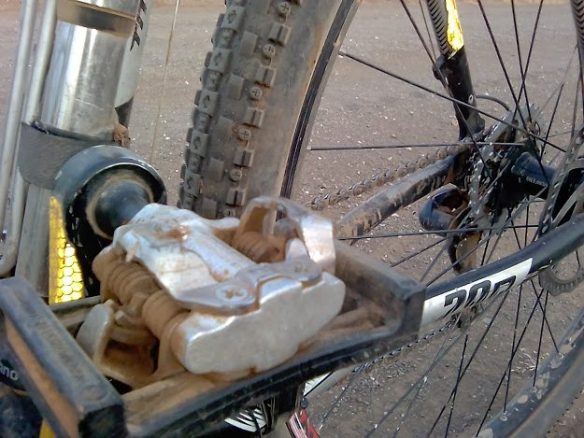
I’d want pedals that could accommodate cleats but also give me the option of riding with flat shoes.

Then there are the tires.

The Sirrus 3 comes with narrower tires because it was designed primarily for urban riding and paved surfaces. If I were going to use it mainly for riding on good roads, I’d probably leave the tires alone.

But my idea is something more versatile.

I’d like the ability to run tires somewhere between about one and two inches wide, preferably tubeless, depending on where I planned to ride.

The salesperson actually mentioned that Specialized is looking at bringing out a version with larger tires, which makes sense as more riders look for bicycles that can move between pavement, gravel and other surfaces.

For the kind of touring I have in mind, wider tires would give me more options.

Gearing Would Depend on the Ride

The bicycle I looked at had one front chainring.

I actually like the simplicity of that.

There is one less component to maintain and one less thing to go wrong.

But I might eventually change that.

I would want enough gearing to give me a good top speed on flat roads while also giving me a low enough gear to climb hills when the bicycle is loaded with panniers.

Whether I really needed two chainrings would depend on experience.

I’d have to load the bicycle up and ride some hills first.

That’s one of the lessons I’ve learned from cycling: what looks good on paper doesn’t always tell you what you need when you’re actually riding.

My Ideal Touring Bicycle

All of this got me thinking.

If I could design a bicycle specifically for myself—something that I could use for fitness riding around my neighborhood, but also take on a long-distance bicycle tour—what would it look like?

My list would be something like this:

  • Lightweight, but available in an XL frame to suit a tall rider
  • Drop handlebars
  • A higher stem for a more comfortable, upright position
  • The ability to fit aerobars
  • Pedals that can accommodate cleats and flat shoes
  • Mounting points for panniers
  • Mounting points for water bottles and other equipment
  • Front suspension or a fork capable of handling rougher surfaces
  • A useful range of gears for both speed on the flats and climbing hills
  • Hydraulic disc brakes
  • 29-inch wheels
  • Tubeless tires with a useful range of widths, approximately 1 to 2 inches
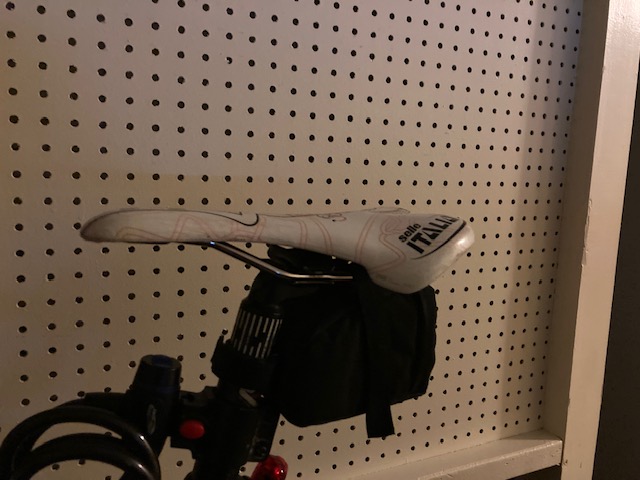
  • A comfortable saddle that properly supports the sit bones
  • A dynamo hub
  • An electrical system for lights and charging equipment
  • Front and rear lights
  • Manual shifters
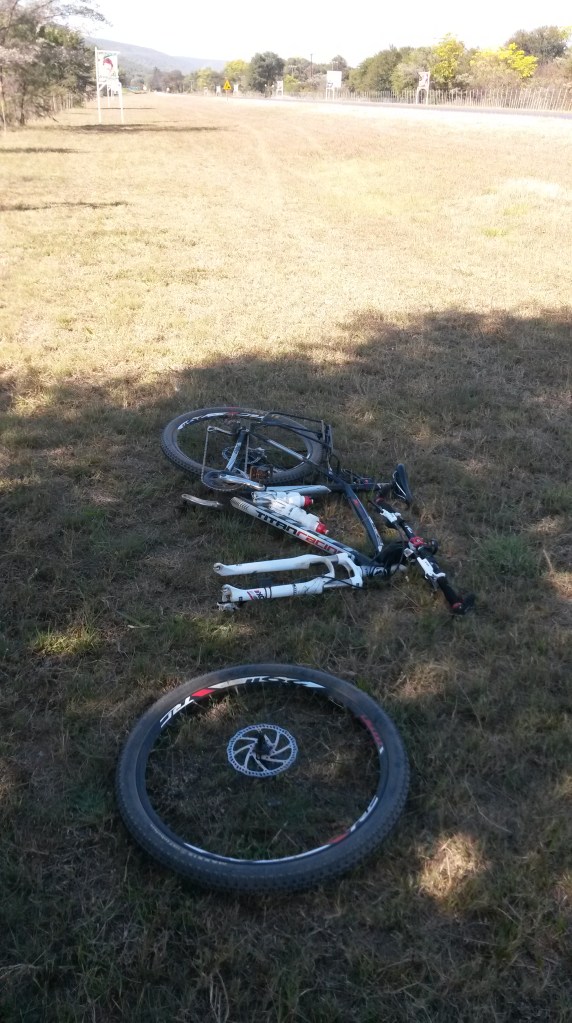
  • Easily removable wheels, preferably with skewers or another simple release system
  • Reflective tape on the front and rear forks
  • A well-sealed bottom bracket bearing that is easy to replace

It sounds like a long list.

But after years of riding, I don’t think I’m looking for a bicycle with every possible feature.

I’m looking for a bicycle that gets the important things right.

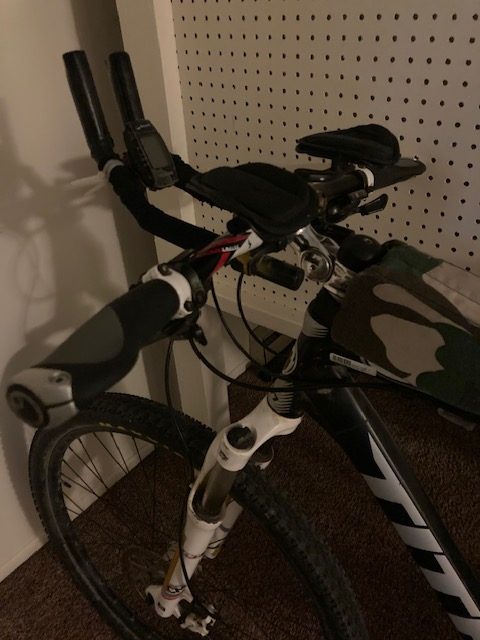
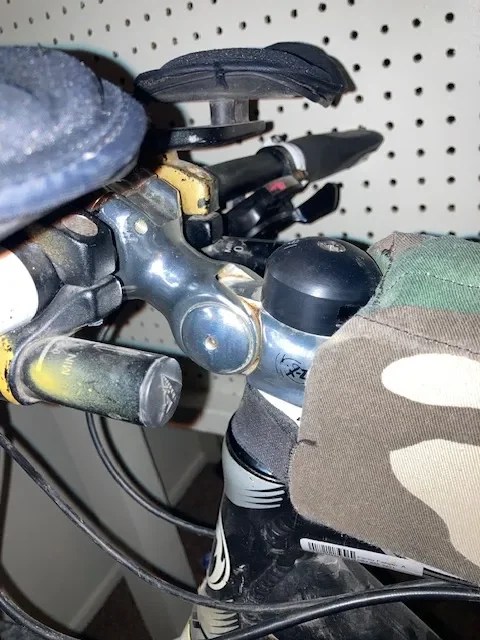
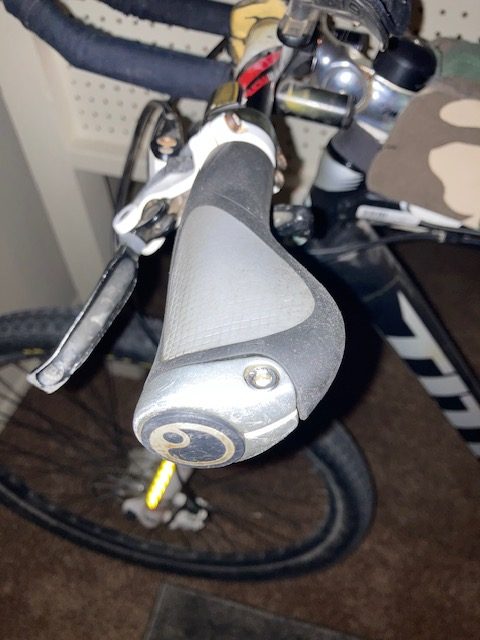
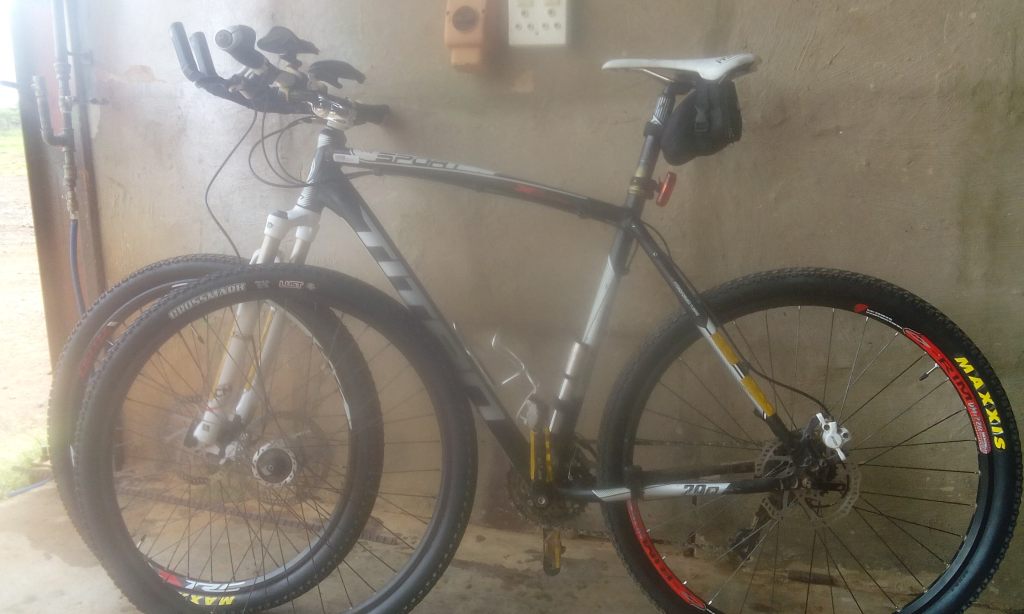
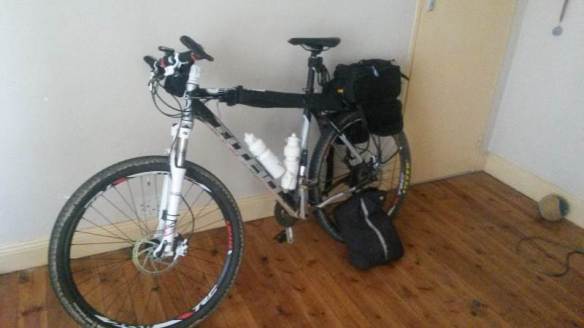
Setup for my first Trans Africa race

Comfort, Durability and the Freedom to Ride

For me, it comes down to three things:

Comfort. Durability. Longevity.

I want a bicycle light enough that riding it is enjoyable.

I want it comfortable enough that I can spend hours in the saddle without constantly thinking about the bicycle.

I want it strong enough to carry the equipment I need for a longer trip.

And I want components that are durable, serviceable and relatively simple.

There is something appealing about simplicity.

Every additional component can have a purpose, but every additional component can also become something that needs adjustment, maintenance or replacement.

That doesn’t mean I don’t appreciate high-end bicycles.

Quite the opposite.

Standing in the Specialized shop and looking at those incredibly light machines was impressive. The engineering, materials and technology that go into modern bicycles are remarkable.

But a bicycle designed to win a race isn’t necessarily the bicycle I want to take across the country.

I’m looking for something somewhere between a fitness bicycle, mountain bike, a gravel bicycle and a touring bicycle.

Something I can ride hard on a paved road when I want to put some speed into the ride.

Something I can take onto gravel when the road disappears.

Something that can carry panniers when I decide to disappear for a few days.

And something that I can maintain without needing a degree in bicycle engineering.

Perhaps that’s what comes with riding for a long time.

When you first start cycling, you might look at a bicycle and ask:

“How fast is it?”

After enough miles, you start asking different questions.

“How comfortable is it?”

“How long will it last?”

“What happens when I put 30 or 40 pounds of gear on it?”

“Can I fix it when I’m 100’s of miles from the nearest bicycle shop?”

And perhaps most importantly:

“Will I enjoy riding it?”

That’s the bicycle I’m looking for.

Not necessarily the most expensive one.

Not necessarily the lightest one.

Just the right one for the ride I want to take.

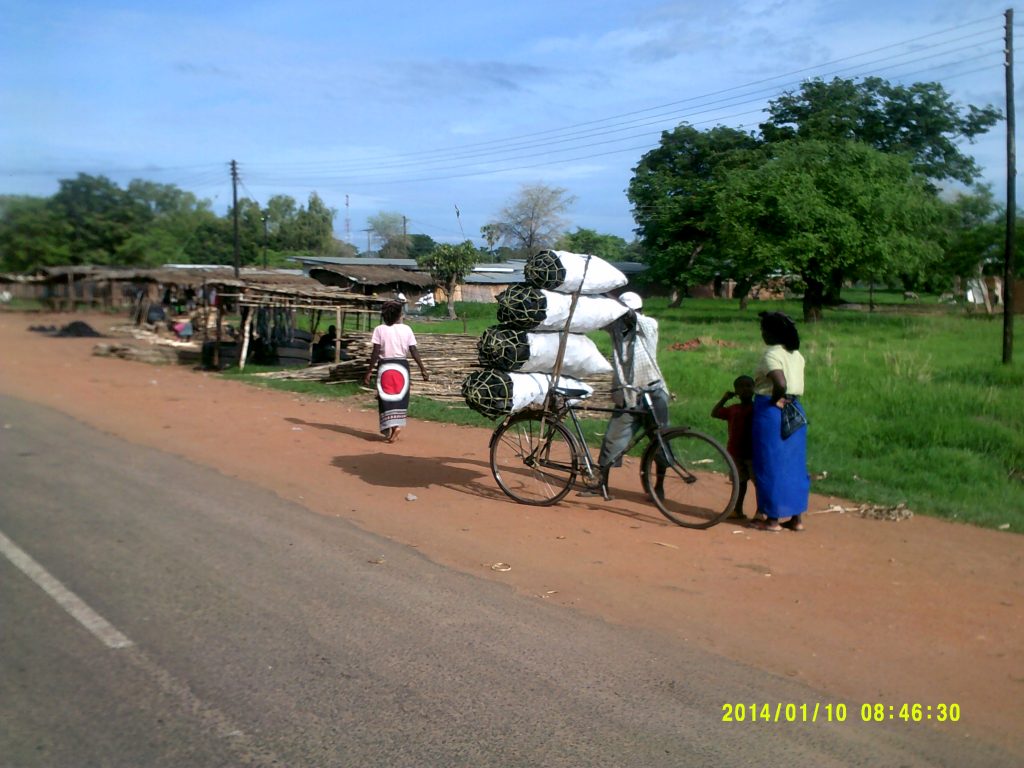
Common bicycle in Africa. This one transporting charcoal.

What would you build or like to be on your bicycle? Write in the bubble at top of post.

What It Feels Like to Watch a Freight Train Pass Under You

There are moments on a bicycle ride that you simply can’t plan for.

This week, while riding my bicycle through the farmlands and along rail line of central Illinois, I heard the unmistakable sound of a train approaching.

I was crossing a bridge when I stopped to watch it.

The railway line came down a valley full of natural bush, and the train was still some distance away. I pulled out my camera and started recording as it came around the corner toward me.

As the train got closer, I waved to the engineer.

He gave me a friendly HOOONK!

Then things got interesting.

As the locomotive approached the bridge, I could feel the air begin to move. A few seconds later, the train was directly below me.

The wind hit first.

Then came the smell and exhaust from the locomotive.

And suddenly, something very strange happened.

It felt like I was standing in the middle of the railway tracks.

I knew I was standing safely on the bridge. I could see the train below me. I knew exactly where I was.

But my senses were telling me something completely different.

For a moment, it felt as though the train was coming straight at me and passing right through where I was standing.

I actually took a step to the side.

Not because I was in danger, but because my brain was telling me to get out of the way.

And then there was another strange sensation.

While part of me felt as though I was standing in the middle of the tracks, another part felt almost as if I were floating above the train.

It was a very strange combination of sensations.

I think some of it comes from watching the train through the camera.

The camera gives you a different perspective from what your eyes are seeing in reality. When you combine the movement of the train, the sound, the wind, the vibration of the bridge and the view through the camera, with quick glances over the camera your brain seems to struggle to decide exactly what it is experiencing.

It reminded me of watching a 3D movie.

You know you’re sitting safely in a theater, but your brain reacts as though the object on the screen is actually moving toward you.

That’s what this felt like.

Only this wasn’t a movie.

I was standing on a bridge over a railway line in the middle of Illinois, with a real freight train passing directly underneath me.

And for a few seconds, it felt like I was right in the middle of it.

Take a look at the video and see if you get the same sensation I did.

Maybe it’s just me—but watching the train approach on camera gives the whole experience a completely different perspective.

One of the great things about cycling is that you never really know what you’re going to encounter around the next corner—or, in this case, underneath the next bridge.

Following Annabelle’s African Bicycle Adventure – And Rethinking Belt Drives

Over the past few months I have been following a cyclist on TikTok called Annabelle 🙂. She and her boyfriend, who are from the USA, have ridden their bicycles all the way from Europe down the eastern side of Africa. They have now reached South Africa and are closing in on Cape Town.

It has been fascinating to follow their journey. Like many long-distance cyclists in Africa, they have faced far more than just long days in the saddle. Visa bureaucracy has caused some significant delays along the way, and in several countries they had to arrange for spare parts and visas to be sent ahead. Even something as simple as collecting a package became an adventure in itself.

Now they are riding through South Africa during winter. Although many people think of Africa as always being warm, this time of year can be surprisingly cold. In the mountains they could even encounter snow. Fortunately, by staying closer to the west coast they seem to have avoided the worst of the winter weather so far.

One recent problem really caught my attention. Annabelle’s bicycle is fitted with a belt drive instead of the traditional chain, and unfortunately the belt has broken.

That immediately made me stop and think.

For years I have read how reliable belt drive systems are supposed to be. Many cyclists praise them as the ultimate low-maintenance solution. They don’t need lubrication, they aren’t affected by muddy conditions in the same way as a chain, and without oily lubricant they don’t attract dust and grit. I’ve even read reports from riders who have covered tens of thousands of miles without replacing a belt.

I have often thought about converting to a belt drive with an internal gear system. On paper it sounds ideal for African travel. No oily chain to clean, less wear from sand and dust, and far less routine maintenance.

But watching Annabelle’s experience has reminded me that every system has its weaknesses.

If a chain breaks almost anywhere in Africa, there is a reasonable chance that you can repair it or find a replacement. A broken belt is a very different story. In South Africa you can probably find one in the larger cities, but once you head into remote regions the chances become much slimmer. Reliability is wonderful—until the one time something does fail.

It also reminded me of my own first bicycle tour through Africa.

Before leaving I had my bicycle serviced, thinking everything would be perfect. Instead, the shop fitted a new chain onto a badly worn front chainring. The worn teeth caused the chain to catch constantly. In Harare in Zimbabwe, I had to find a bicycle shop to help sort it out.

Even then, it wasn’t an instant fix. For around 500 kilometers after leaving Harare the new chain and chainring had to gradually wear together before everything finally settled down. It was simply a matter of letting the chain and chainring “marry” each other.

Little mechanical problems like that can take the shine off an otherwise incredible journey.

Watching Annabelle’s travels has reminded me that bicycle touring is never just about the riding. It’s about adapting to the unexpected, solving problems, and continuing despite the setbacks. Those are often the stories we remember most.

I’m still attracted to the idea of a belt drive and internal gear system, but now I’m asking myself whether the reduced maintenance is worth the potential difficulty of finding replacement parts in remote areas.

I’d love to hear from readers who have experience with belt drive touring bikes.

  • Have you toured long distances with a belt drive?
  • Have you ever had one fail?
  • Would you choose a belt drive over a traditional chain for an extended African expedition?

Please leave a comment below and share your experiences.

I’ll also include a link to Annabelle’s TikTok account so you can follow the final stages of their remarkable journey to Cape Town.

Kayaking to Domwe Island, Lake Malawi in Great Rift Valley/ An Unforgettable Malawi Adventure

What would you do if you had to paddle across one of Africa’s deepest lakes, knowing the dark water beneath you drops hundreds of metres into the Great Rift Valley?

That was the challenge I faced when I decided to kayak from Kayak Africa to Domwe Island on Lake Malawi (also known as Lake Niassa). It became one of those travel experiences that pushed me beyond my comfort zone and reminded me that the best adventures often begin with a little uncertainty.

Before setting off, the team at Kayak Africa explained that everyone paddling to the island must be accompanied by a guide. The lake conditions can change quickly, and they want to ensure every guest arrives safely. We left early in the morning, taking advantage of the calm morning before the wind had a chance to build.

Thumbi west Island Infront Kayak Africa lodge with Domwe Island just out view on the right.

Although I’d kayaked before, I certainly wouldn’t call myself experienced. As I climbed into the kayak, it felt surprisingly wobbly, and I wondered if I’d made the right decision. But there was no turning back now.

From the shore, Mumbo Island looked deceptively close. Once you’re relying entirely on your own muscles to get there, however, the distance seems to stretch endlessly across the water.

About halfway through the crossing, my shoulders were burning. Every paddle stroke reminded me of muscles that clearly hadn’t been used for this kind of workout in a long time.

Then something unexpected happened.

The water beneath me changed from a light blue to an incredibly dark blue-green. Instantly, my imagination took over.

Lake Malawi sits within the Great Rift Valley, where the African continent is slowly pulling apart. Over millions of years, enormous rift lakes formed here, creating incredible depths. Technical scuba divers travel from around the world to explore these deep waters because they offer exceptional diving conditions without the powerful currents found in the ocean.

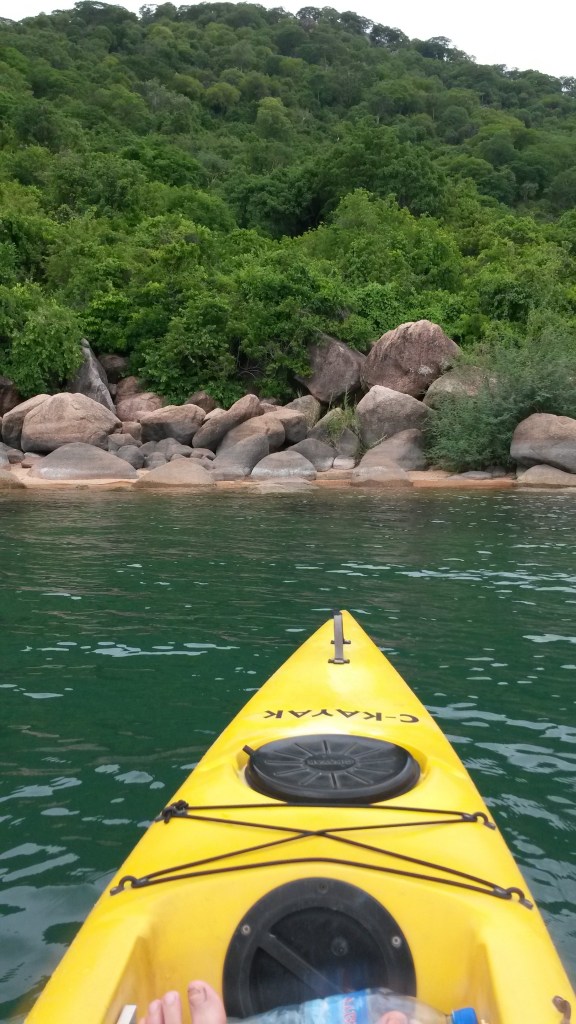
Some view from the kayak.

Knowing just how deep the lake was made me wonder what might be lurking below.

Of course, there were no monsters beneath me—but my imagination painted a different picture. Every glance into the dark water made it feel as though some giant creature could emerge from the depths at any moment.

To quiet those thoughts, I fixed my eyes firmly on the beach ahead. One paddle stroke after another.

The beach where I landed at Domwe Island with the dining room deck showing.

As the crossing progressed, the wind began to pick up. Soon small whitecaps formed across the lake, and the waves reached around two feet high. The kayak rose and dipped over each swell, its bow slicing through the water. They weren’t ocean-sized waves, but for someone with limited kayaking experience, they certainly commanded respect.

Meanwhile, my guide paddled calmly beside me, making it all look effortless.

Eventually, the shoreline grew larger, and before long my kayak scraped gently onto the beach.

I climbed out feeling exhausted, relieved—and incredibly proud.

My kayak with guides kayak and another person stopping by to check if lodge needs help.

Sometimes the greatest part of an adventure isn’t reaching the destination. It’s discovering that you’re capable of much more than you first believed.

If you’re looking for an unforgettable experience in Malawi, kayaking across Lake Malawi to Domwe Island or other islands can be one I can wholeheartedly recommend. It’s physically challenging, mentally rewarding, and offers a unique perspective on one of Africa’s most spectacular lakes.

Want more real travel adventures like this?

Download my ebook and discover the stories, lessons, and unforgettable experiences from my bicycle journeys across Africa. If you enjoy authentic adventure travel, practical tips, and moments that push you beyond your comfort zone, you’ll love what’s inside. My ebook Run away to Africa by Kenneth Fagan on Amazon. There is a link in the shop page. If you want to book accommodation on an island https//kayakafrica.co.za can be found on Google.

Untold Stories from Malawi

Over the past few weeks, I’ve been working on my next book, Run Away to Malawi. I’m about halfway through the manuscript, and one thing has surprised me.

As I revisit my journals and photographs, I’ve realized just how many stories never made it onto my blog. There are dozens of moments from the journey that were never fully told. Some photographs appeared in the sidebar of Longdaysafaris.com with little or no explanation, but every one of them has a story behind it.

One memory that found its way into the book was a conversation with a cyclist I met along the road in Malawi.

His bicycle wasn’t loaded with camping gear like mine. Instead, it was piled high with supplies. He explained that he owned three small shops in different villages. Rather than sitting behind a counter, he spent his days riding from village to village delivering stock. He employed people to run the shops while he managed the business from the saddle of his bicycle.

His main products were simple essentials: sugar, flour, and coffee. Items that every family needed.

Another detail I had forgotten was what happened when you bought a bottle of soda. You couldn’t simply walk away with it. The bottle had value. You drank your soda at the shop and returned the empty bottle so it could be sent back for a deposit.

Digital Camera

That also explained something I noticed throughout my journey.

The children who ran out to greet me weren’t just waving. Many would ask if I had any empty bottles. To them, those bottles were useful. They carried drinking water to the fields, stored drinking water at home, and found countless ways to reuse them.

Very little went to waste.

In many of the rural villages, there was almost no litter. Things were repaired, reused, repurposed, or eventually burned. Nothing was thrown away simply because it was old.

These are the kinds of stories that don’t always fit into a daily travel blog, but together they paint a richer picture of life in Malawi.

I’m looking forward to sharing many more of these moments in Run Away to Malawi. I think you’ll discover that the journey was about far more than cycling from one place to another—it was about the people, their ingenuity, and the lessons they unknowingly taught me along the way.

Digital Camera

Cycling in Africa: A Night Ride and Village Welcome in Mozambique

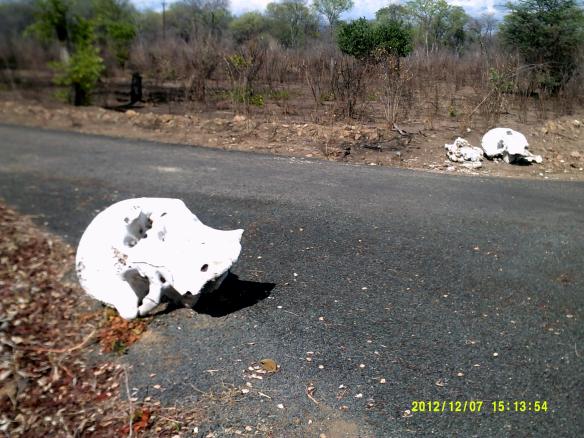
I was riding my bicycle through the African savannah as the sun hit the horizon when a thought hit me that made the road ahead feel a lot longer — my small headlamp wasn’t strong enough to spot elephants in time if they were standing on the road. Earlier that day I had already passed two elephant skulls and several piles of dung. Now the night was closing in fast.

Elephant skulls

Long-distance cycling in Africa always comes with a sense of adventure and the unexpected. While riding my bicycle from Mague to Estima in Mozambique, I experienced one of those nights that perfectly captures what bicycle touring across Africa can be like.

The road stretched out in front of me — a good tar road cutting through the wide African savannah. But I was starting to worry about where I would camp for the night.

This region had once been part of the Mozambican civil war, and I knew landmines had been planted in areas not far from the road. Camping randomly along the roadside didn’t feel like a good idea.

Cycling into the African Night

The sun slowly dipped below the horizon and soon disappeared completely. One by one the stars came out, leaving me riding through the savannah with only a small head headlamp lighting the way.

From past experience cycling in Africa, I knew that light wouldn’t give me enough time to identify elephants on the road ahead. At night, elephants often blend into the darkness. With a spotlight they simply look like part of the night itself.

That meant there was a real possibility of riding straight into a herd before realizing what was happening — something no cyclist wants to experience.

Finding a Village in Mozambique

Around 8 p.m., I finally came across a small tribal village and decided to stop and ask if I could camp there for the night.

As I stopped, I promptly fell off my bicycle when my cleat refused to disengage — not the most impressive entrance into the village.

An older man saw the whole thing. We tried to communicate, but neither of us understood the other. He called over a younger man who, fortunately for me, had spent time working in Zimbabwe and spoke some English.

I explained that I was cycling across Mozambique and asked if I could camp in the village.

The answer was respectful but not simple.

They told me they didn’t have permission to allow it. I would need to speak to the night watch — the man responsible for keeping elephants out of the farmland at night.

Asking the Village Elder

We found the night watch, and after listening to my story he explained that he also didn’t have the authority to allow it. Only the village elder could make that decision.

So we walked to the elder’s house.

He wasn’t there at the time and was visiting somewhere else in the village, so we waited outside. About fifteen minutes later he returned.

When he arrived, my translator bowed down, making sure his head stayed lower than the elder’s chin — a sign of respect still practiced in the village. Seeing that in today’s modern world was fascinating, and I wasn’t quite sure if I should be doing the same.

The elder listened carefully to my story about cycling across Africa and looking for a safe place to camp.

Then he smiled and immediately offered a place right beside his house.

Camping in an African Village

I thanked him and set up my tent near his home. The elder then asked through the translator if I needed food. I told him I had brought some with me, so I cooked a simple meal of instant noodles.

Later that evening I sat under the trees near his house where several elders of the village were gathered talking quietly in the dark. I didn’t understand their language, but it was still a special moment to sit there and share the night air with them.

Eventually I excused myself and crawled into my tent. Not knowing how safe my bicycle would be, I pulled it inside the tent with me — which made for a tight fit in a two-man tent.

Sunrise in the Village

Just before sunrise the roosters began crowing and the village slowly came alive with the sounds of morning.

I packed my gear back onto the bicycle and waited for my translator, who had said he would come by in the morning.

Soon the elder stepped out of his house. I asked the translator to thank him again for his hospitality. Once again, the young man bowed respectfully as he spoke.

Then I climbed onto my bicycle and rode out of the village as the sun rose like a glowing ball on the horizon.

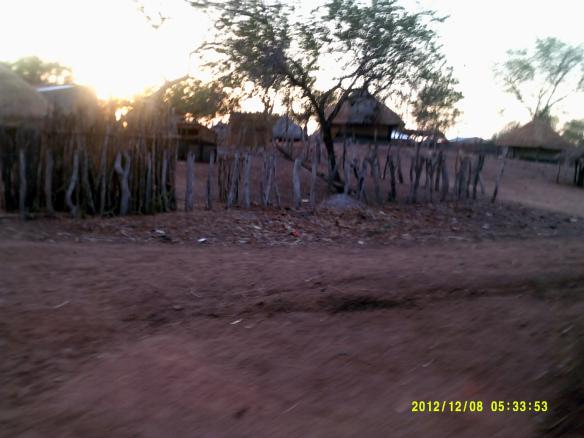
In the daylight I could finally see the village clearly — round mud houses with thatched roofs, dusty ground with chickens wandering everywhere, and the African savannah stretching beyond it.

And just like that, my Mozambique cycling adventure continued down the road toward Estima.

Sun rise village

Elephant Teasing Harry

When I was living in the Sabi Sands Game Reserve, I shared a campsite with a friend named Harry. It was a simple setup — a main house and a small cottage sitting in a clearing in the African bushveld (savanna). Nights out there were usually quiet, except for the sounds of wildlife moving through the bush.

One night, though, a large bull elephant decided to pay Harry a visit. The elephant stood right in front of his house, calmly tearing apart a bush like he owned the place.

Harry wasn’t too impressed.

First, he went outside and tried to chase the elephant away. The elephant barely acknowledged him. Next, Harry came back out with a firecracker, hoping the noise would scare the big guy off.

That didn’t work either.

Between Harry’s front door and the elephant was a Toyota Land Cruiser pickup with a heavy-duty bull bar on the front. So Harry climbed into the pickup, slammed the door, honked the horn, and made as much noise as he could to try and scare the elephant away.

The elephant simply walked out into the clearing where the road comes in.

Harry drove the pickup up behind him and kept honking. It was quite a sight to watch — I was lying in my bed looking out the window at the whole thing. Honestly, if that elephant had decided to sit down, he probably would have sat right on the hood of the pickup.

The elephant slowly headed down the road and then moved into a patch of bush that sits between the entrance and exit road into the clearing. Harry circled around the bush a few times with the pickup, but he still couldn’t get the elephant to move on.

Eventually, Harry gave up and went off to bed.

The elephant, however, just stood quietly in the dark, waiting until the lights in the house went off. Then he snapped a small tree, the sound echoing through the bush. Harry rushed out again with a spotlight, but when you shine a spotlight on an elephant at night they look grey and blend right into the darkness. He couldn’t see a thing.

Luckily, my eyes had already adjusted to the dark and there was a half moon out, so I could see what was going on.

The elephant stood still for a while, and when the night sounds started filling the air again, he quietly walked through the bush to the opposite side of the house. There he waited again. Then suddenly — crack — he ripped off another branch, the sound carrying through the bushveld.

Out came Harry again with the spotlight. Still nothing. After a moment he went back inside.

The elephant stayed quiet for about ten minutes and then slowly walked around behind my cottage. At this point he was standing about five feet from my pillow. I was lying in bed watching him through the window.

Now he was in the shadow of my cottage, hidden from the main house. The big bull stood there dangling his trunk, twisting the end of it like someone turning their wrist. It was amazing how such a huge animal could be so quiet.

He slowly shifted his weight from leg to leg, waiting for the sounds of the night to build again. The cicadas were ringing loudly through the air. I could tell he was getting ready to move on.

Then he started to swagger off past my cottage. I could see the folds in his skin and his tail swaying with each step. As he passed the big jackalberry tree in front of my place, he ripped off a large branch and kept walking.

He crossed the dry sandy riverbed and disappeared into the night.

Not long after, Harry came out again with his spotlight.

That elephant bull definitely had a sense of humor — he was just teasing Harry. The bull knew him well. He had been visiting that campsite for years. And when the lemon tree is full, he comes in and strips the leaves and lemons off in one wrap of his trunk.

KJKJ$

Growing the LongDaySafaris Community on TikTok

Over the past few months I’ve been thinking about how to grow the longdaysafaris.com community and share more of the things I’m passionate about. So I’ve made a few changes that I’d like to share with you.

First, I’ve launched a TikTok account as well as a TikTok Seller account on TikTok. The goal is to create short videos related to the things many of us enjoy—travel, cycling, farming life, and the occasional story from the road.

Alongside the videos, I’ve also started putting items up for sale through the platform. At the moment, I’m beginning with print-on-demand T-shirts, some of which are inspired by farming life and cycling culture. These are two passions of mine, and it seemed like a natural place to start. Here are two links to my first print on demanad T-shirts. At this stage they are only available on tikTok in the USA:

Cycle tourist https://www.tiktok.com/t/ZP9Re7MN8rkpq-oMMyB/

Freedom cycling https://www.tiktok.com/t/ZP9Re7wUaXj4F-uzRFe/

Over time I plan to expand into other items and ideas related to:

  • Farming and livestock life
  • Bicycle touring and long-distance cycling
  • Travel and safari experiences
  • Practical gear and products connected to these lifestyles

Another interesting development has been the impact on this blog. Since setting up the TikTok accounts, the traffic to LongDaySafaris has more than doubled. That tells me there is real interest out there, and it has motivated me to begin posting more regularly again.

But I’d like this site to grow with the help of the people who read it.

I’d love your feedback

What topics would you like me to write about?

Some ideas might include:

  • Bicycle touring routes and tips
  • Stories and experiences from African travel
  • Farming life and livestock production
  • Preparing for international travel
  • Advice for first-time visitors to Africa

If there’s something you’d like to know more about, feel free to leave a comment or send me a message. Your feedback will help guide future posts.

A New Perspective

Another change in my life is that I now live in the United States. That has given me a different perspective on travel and logistics, especially for people planning trips abroad. Because of this, I hope I can be even more helpful to international travelers planning trips to Africa—whether it’s understanding the realities of travel, preparing properly, or simply knowing what to expect.

LongDaySafaris started as a place to share experiences from the road. Going forward, I hope it becomes even more of a community for people interested in adventure, cycling, farming life, and travel.

Thanks for reading and for being part of the journey. Here are a few photos to wet your thirst.

Bicycle finally arrived

I am back. This blog was written along time back. I did not get to post it. On reading the post I felt it worth posting, to give a new cold weather cyclist point of view. I have also since got a new laptop making it possible to start posting again.

After packing bicycle into a box in South Africa to send it with my household items. It took from April 2021 to February 2022 to get to me in the United States. This was due to a few things. First was we could not afford to hire a full container so we had to wait for a shared container to get full. COVID 19 had a slow down on immigration as they stopped visa interviews for a few months. There was the strike/rampage /destruction of property when Jacob Zuma (ex president of South Africa) was put into prison for contempt of court. Then there was the labor shortages at harbors to off load in the United states. The relocation company that did not have the paper work right for customs and then a supposed hold on our goods by I do not know who.

Bike build

Our boxes arrived on a cold February morning with a wind chili of -25 degrees Celsius. At that stage my garage with a heater felt too cold to assemble the bike for another week. When I finally got it together a week later, I went out but found there were to many ice patches to even try test ride the bike. I will have to plan to change tires for the winter.

Learn cold weather adaptions

Then another week later I went to town and got a head covering and goggles so that when I breath the glasses do not mist up. You cannot ride with ordinary glasses as your eyeballs freeze.

Bike repairs

Then there was a warmer Saturday where the temp was only -5C and wind had slowed down to 25 mph. Only to discover the gears did not want to change. First, I thought it was that the chain lube had frozen the chain and gears. Think that was part of it but the main reason was that the gear shifter spring had broken for moving the back derailer. Front derailer must have been frozen.

I decided to purchase a new set of shifters on eBay. I knew that the shifter was on their way out already in South Africa. With the cost of immigration, I had decided to delay the purchase. I decided to stay with Shimano leavers and not the high end of the range. Much to my disappointment when they arrived a few days later they did not even have Shimano written on them. I am not too sure how long they will last but they will get me going. They may even surprise me. I am not sure that I would trust them on the Tour Divide route.

Lessons learned

On my third ride I thought it was warming up. So, I did a part gravel and part hard top ride. Was a round trip of 9 miles(note I have changed my GPS from km to miles). The temperatures were just above freezing. This time I did not wear my jacket and snow pants. When I got home and changed I found that I had mild frost bite around my hips were the wind speeds up to go around your waist. So I must remember if the temperature is warmer than freezing the wind chili must be considered. Layering is also important as having extra layers can break the wind speed. Only problem breaking the wind with a wind breaker can cause you to sweat too much so that you feel like you are in a swimming pool.

Well, will catch up more on the next blog.