The Bicycle I Would Build for the Long Ride

I visited a Specialized bicycle shop this week, and it got me thinking about bicycles.

Not just about the bicycles hanging on the racks, but about what I actually want from a bicycle.

I also stopped at a large outdoor and sporting goods retailer. The contrast between the two stores was interesting.

The large retail store had plenty of bicycles, but they were mostly mass-produced machines aimed at the general consumer. Looking at some of them, I wondered how well some of the components, particularly the bearings, would hold up to the sort of riding I like to do.

The cycling clothing selection was also limited. There were cycling jerseys and shorts, but I couldn’t find a pair of proper cycling bibs.

If you’ve spent several hours in the saddle, you understand why that matters.

There is cycling clothing, and then there is clothing designed to make riding a bicycle for hours more comfortable. For someone planning a long-distance ride, comfort and durability aren’t luxuries. They become necessities.

The outdoor store did have another side to it that I found interesting. There were plenty of camping gadgets and pieces of equipment that could make life on the road a little more comfortable. Some of those things caught my attention and got me thinking about what I might take on a longer bicycle tour.

But it was the Specialized shop that really got me thinking about bicycles.

Looking at the High-End Bicycles

Specialized is one of the well-known, respected bicycle brands, and it is easy to see why when you walk into one of their stores.

There were bicycles that weighed a fraction of what my current bicycle weighs. They had lightweight components, alloy and carbon-fiber construction, aerodynamic frames, fancy wheels and spokes, and all sorts of technology designed to make the bicycle faster and more efficient.

They were beautiful bicycles.

And I can certainly understand why someone would want one.

As I looked along the racks, though, my eye eventually landed on something that perhaps wouldn’t have made a salesperson quite as excited.

It was the cheapest bicycle on the rack.

It was around $1,200.

And I liked it.

Not because it had the most technology.

Actually, quite the opposite.

It was straightforward.

It had a simple alloy frame, mounting points for panniers and water bottles, and a relatively uncomplicated drivetrain with one front chainring. There were no bells and whistles that I didn’t think I needed.

Most importantly, it weighed about half as much as my current bicycle.

That caught my attention.

The model was the Specialized Sirrus 3.

Now, before anyone thinks this is a criticism of Specialized, it isn’t.

Specialized has designed the Sirrus 3 for a purpose. It is an urban and fitness bicycle, not a gravel touring bicycle. The narrower tires and its overall setup make sense for what the bike was designed to do.

What I started doing was imagining what I could make of the basic bicycle.

What Would I Change?

If I bought the Sirrus 3, I wouldn’t leave it exactly as it came from the shop.

I’d personalize it.

The first thing I’d look at would be the handlebars.

I’d put drop bars on it, giving me more hand positions and making it better suited to the sort of longer-distance riding I enjoy. I’d also want a stem that is high enough to give me a comfortable riding position.

One thing I’ve learned from riding is that being stretched out too far or having the handlebars too low can become very uncomfortable after several hours.

I’d also like the ability to fit aerobars.

For shorter fitness rides, I might not need them. But when you’re riding for hours, being able to change your position can make a big difference.

I’d want pedals that could accommodate cleats but also give me the option of riding with flat shoes.

Then there are the tires.

The Sirrus 3 comes with narrower tires because it was designed primarily for urban riding and paved surfaces. If I were going to use it mainly for riding on good roads, I’d probably leave the tires alone.

But my idea is something more versatile.

I’d like the ability to run tires somewhere between about one and two inches wide, preferably tubeless, depending on where I planned to ride.

The salesperson actually mentioned that Specialized is looking at bringing out a version with larger tires, which makes sense as more riders look for bicycles that can move between pavement, gravel and other surfaces.

For the kind of touring I have in mind, wider tires would give me more options.

Gearing Would Depend on the Ride

The bicycle I looked at had one front chainring.

I actually like the simplicity of that.

There is one less component to maintain and one less thing to go wrong.

But I might eventually change that.

I would want enough gearing to give me a good top speed on flat roads while also giving me a low enough gear to climb hills when the bicycle is loaded with panniers.

Whether I really needed two chainrings would depend on experience.

I’d have to load the bicycle up and ride some hills first.

That’s one of the lessons I’ve learned from cycling: what looks good on paper doesn’t always tell you what you need when you’re actually riding.

My Ideal Touring Bicycle

All of this got me thinking.

If I could design a bicycle specifically for myself—something that I could use for fitness riding around my neighborhood, but also take on a long-distance bicycle tour—what would it look like?

My list would be something like this:

  • Lightweight, but available in an XL frame to suit a tall rider
  • Drop handlebars
  • A higher stem for a more comfortable, upright position
  • The ability to fit aerobars
  • Pedals that can accommodate cleats and flat shoes
  • Mounting points for panniers
  • Mounting points for water bottles and other equipment
  • Front suspension or a fork capable of handling rougher surfaces
  • A useful range of gears for both speed on the flats and climbing hills
  • Hydraulic disc brakes
  • 29-inch wheels
  • Tubeless tires with a useful range of widths, approximately 1 to 2 inches
  • A comfortable saddle that properly supports the sit bones
  • A dynamo hub
  • An electrical system for lights and charging equipment
  • Front and rear lights
  • Manual shifters
  • Easily removable wheels, preferably with skewers or another simple release system
  • Reflective tape on the front and rear forks
  • A well-sealed bottom bracket bearing that is easy to replace

It sounds like a long list.

But after years of riding, I don’t think I’m looking for a bicycle with every possible feature.

I’m looking for a bicycle that gets the important things right.

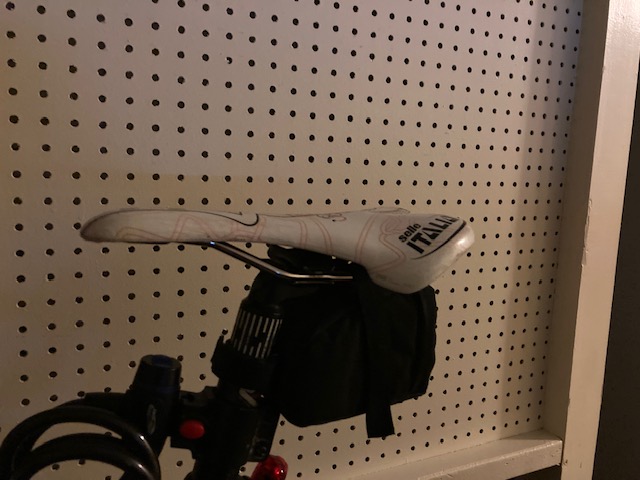
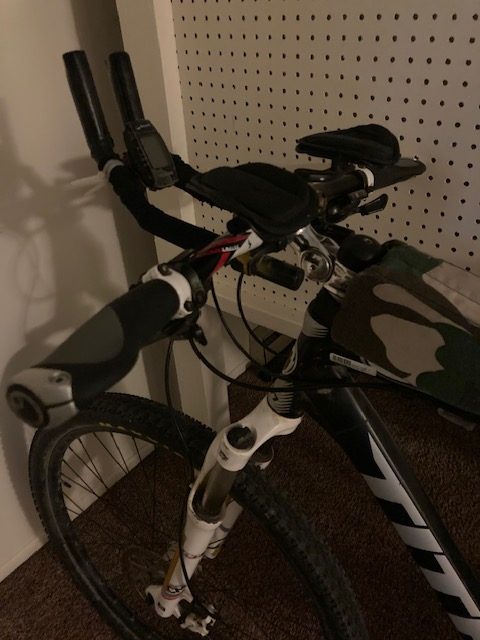
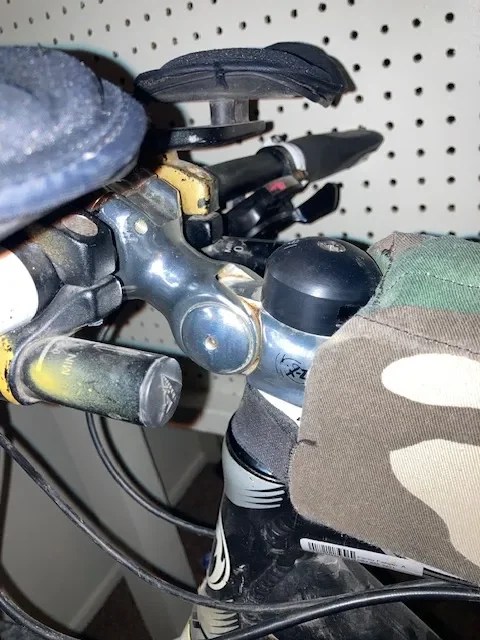
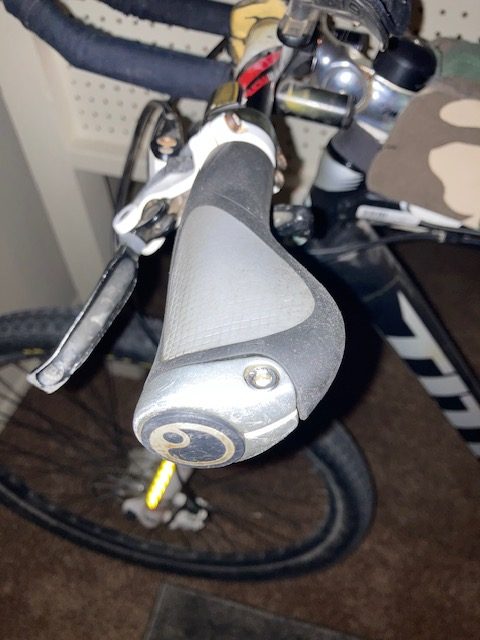
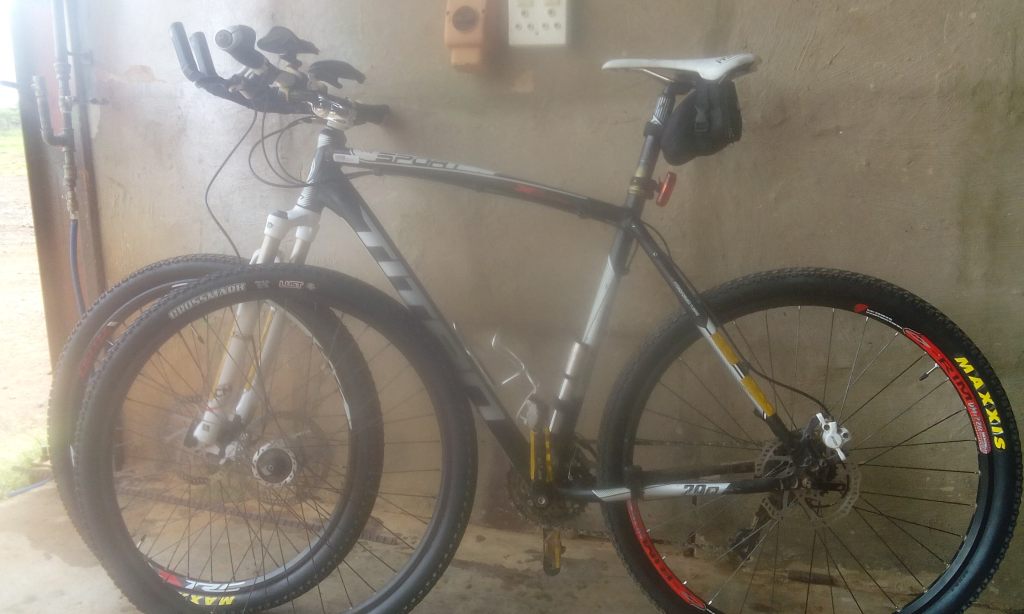
Setup for my first Trans Africa race

Comfort, Durability and the Freedom to Ride

For me, it comes down to three things:

Comfort. Durability. Longevity.

I want a bicycle light enough that riding it is enjoyable.

I want it comfortable enough that I can spend hours in the saddle without constantly thinking about the bicycle.

I want it strong enough to carry the equipment I need for a longer trip.

And I want components that are durable, serviceable and relatively simple.

There is something appealing about simplicity.

Every additional component can have a purpose, but every additional component can also become something that needs adjustment, maintenance or replacement.

That doesn’t mean I don’t appreciate high-end bicycles.

Quite the opposite.

Standing in the Specialized shop and looking at those incredibly light machines was impressive. The engineering, materials and technology that go into modern bicycles are remarkable.

But a bicycle designed to win a race isn’t necessarily the bicycle I want to take across the country.

I’m looking for something somewhere between a fitness bicycle, mountain bike, a gravel bicycle and a touring bicycle.

Something I can ride hard on a paved road when I want to put some speed into the ride.

Something I can take onto gravel when the road disappears.

Something that can carry panniers when I decide to disappear for a few days.

And something that I can maintain without needing a degree in bicycle engineering.

Perhaps that’s what comes with riding for a long time.

When you first start cycling, you might look at a bicycle and ask:

“How fast is it?”

After enough miles, you start asking different questions.

“How comfortable is it?”

“How long will it last?”

“What happens when I put 30 or 40 pounds of gear on it?”

“Can I fix it when I’m 100’s of miles from the nearest bicycle shop?”

And perhaps most importantly:

“Will I enjoy riding it?”

That’s the bicycle I’m looking for.

Not necessarily the most expensive one.

Not necessarily the lightest one.

Just the right one for the ride I want to take.

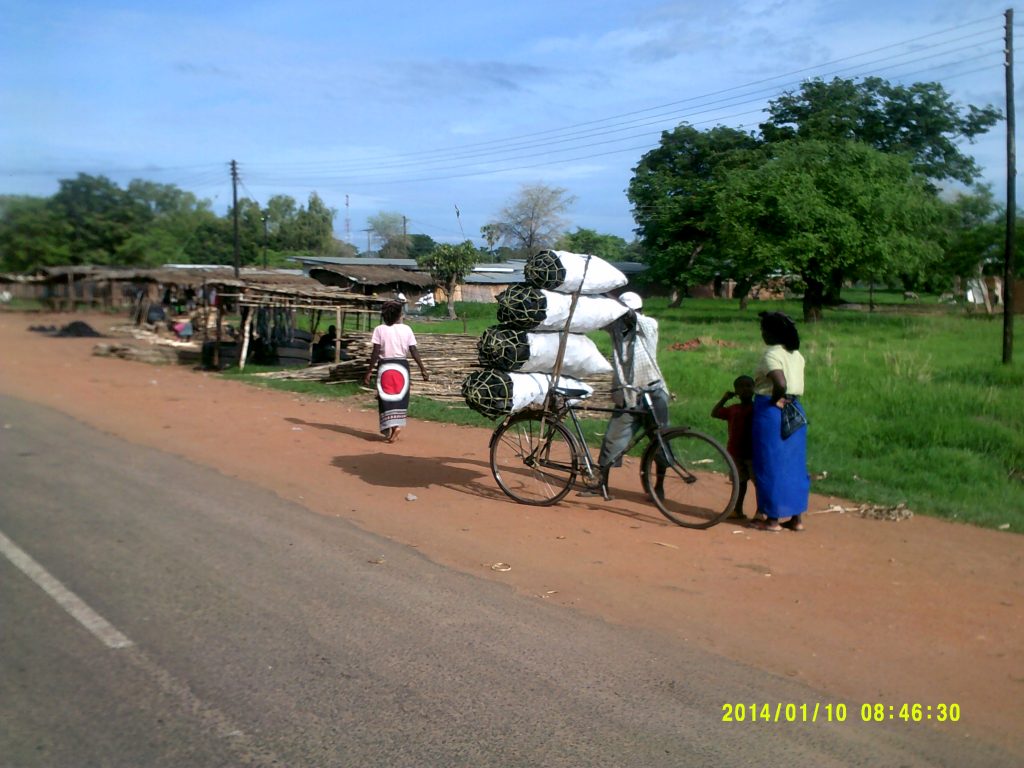
Common bicycle in Africa. This one transporting charcoal.

What would you build or like to be on your bicycle? Write in the bubble at top of post.

Trip to Vaalwater via Alma in Limpopo province

I rode 240 km this weekend on my bicycle. I had heard lots about the town Alma. However did discover it is just a T junction with a bottle store, grain silo, primary school and a squatter’s camp. The road to get there is not recommended to cycle best done with a bakkie (pick up) or a 4X4 vehicle. This is the end of sand road to Alma. Only the T junction was tar.

.Digital Camera

On to Vaalwater. Nice new tar road with some monster hills. At the camp site I was told that cyclists come to train on these hills for the Cape Augus race.Digital Camera

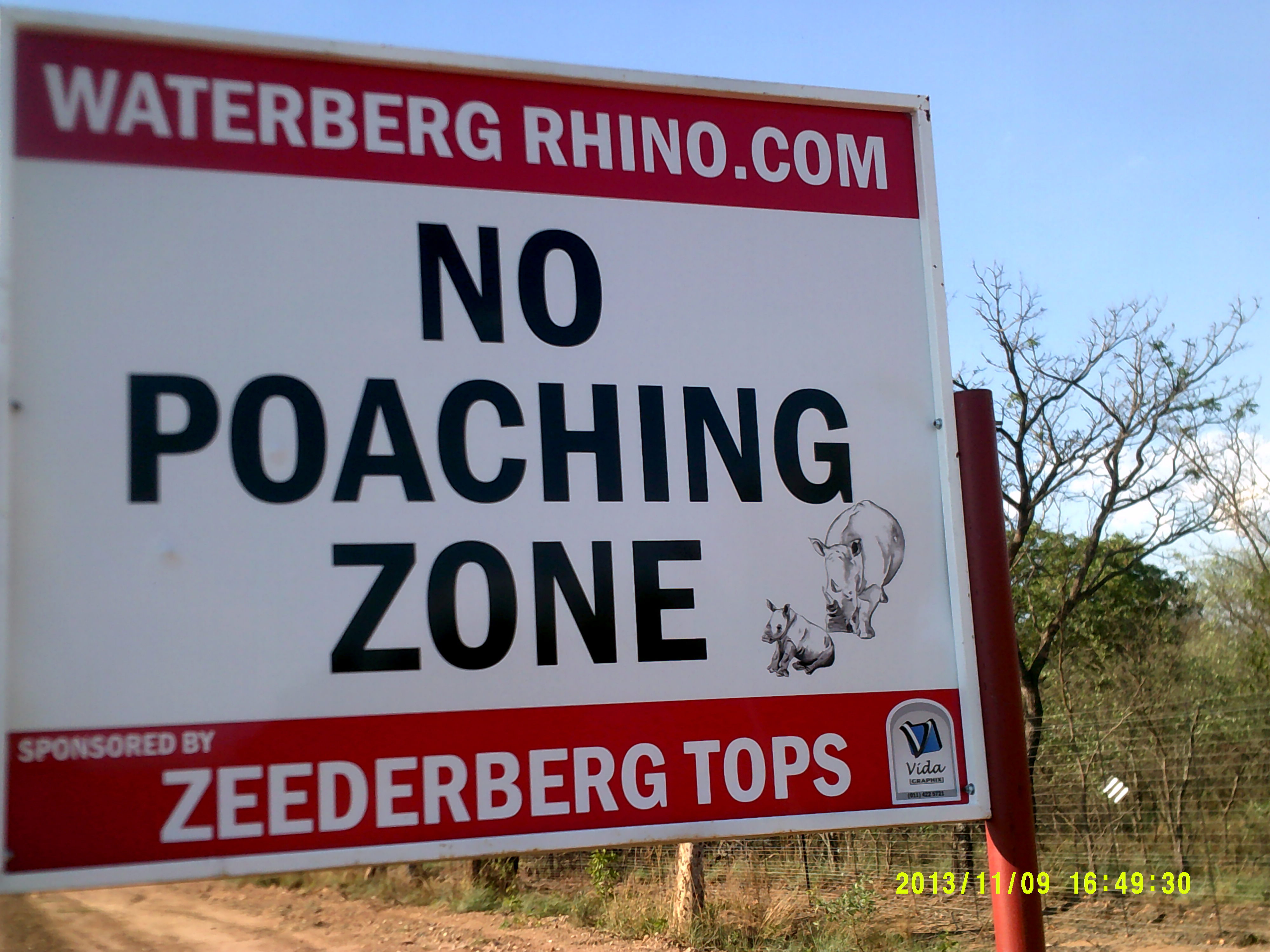
Feels like Africa begins here. Take note of the following signs just before town.

Digital Camera Digital Camera

It is a sandy town that wants to grow but with the lack of employment opportunities. Thus many houses standing empty. All along the main road biltong shops advertise. Looks like biltong and game animals are the main export of this area.

Digital Camera

I tested out some weight saving strategies on this trip. Cut tent pegs by half. Crocs (light Chines ones) for time off of bicycle. Cut unnecessary tools. Cut down on traveling with food, ate at restaurant and stopped at shops for food. Mounted solar panel on Velcro (to charge cell phone and camera) for places where there is no electricity. Pouch to hold cell and camera.

On the way I passed Modimolle and dropped in at the bicycle shop to see what needs to be done to my bicycle for the trip to Malawi. Also looked at camping shop to see if there are lighter tents.

All in all think it was a very good trip. For those of you, light is much better. Lighter load made the ride much more pleasurable. Well there is room for more weight saving for me.

Feedback of Community meeting

Well it turned out to be a meeting of the local chiefs. SABC TV was invited to document the happenings for Roots program on TV 3. Then there was entertainment from community groups that did dance and played traditional music( with electric guitars,keyboards and drums).I was squeezed into program. However there was no screen to put up my presentation. Expecting this would happen I resorted to presenting some of equipment needed to take long trip on a bicycle. Ending in businesses and uses of bicycles to help create a living for people.Digital Camera There was a second presentation of a Chines engine that is bolted onto bicycle frame.This mode of transport will give you one liter petrol to 100 km. This drew a lot of attention. There is a big demand for cheap modes of transport out in these very rural communities. As a result one of the chiefs gave permission for a community activist to get a office at his offices. Here she can train children to ride bicycle and teach them to repair them. She will also co ordinate giving sponsored bicycles to deserving learners, to help them get to school. They are setting up a web page for interested persons.

Community meeting at Ga-Morwe Stadium

Saturday 19/10/2013 there is a community activity at the Ga-Morwe Stadium. It is transport month so they trying to base it on cycling and cultural entertainment. I have been asked to talk to promote cycling and to share some of my adventures. After  I have spoke I will post a condensed version.

IMG00381-20130608-1716